Minnesota winter is a different animal, and if this is your first one with a dog, the question that comes up first is usually the simplest: when is it actually too cold to go out?
There’s no single number, because it depends on the dog standing in front of you. But there are useful lines, and it’s worth knowing where they are before you’re standing at the door at 6am in the dark.
The short answer
Veterinary sources land in roughly the same place. PetMD puts the first caution line around 45°F, where cold-averse dogs start to feel uncomfortable. Below 32°F, the risk of hypothermia and frostbite begins to climb. By 20°F and below, most dogs are at real risk regardless of breed, and outdoor time should be short and supervised.
Those numbers assume a dry, still day. Wind and wet both move the line substantially — a damp 35°F with wind off a lake is harder on a dog than a still, dry 25°F.

What changes the number
Two dogs in the same yard can be having completely different days.
- Size. Small dogs lose heat faster. There’s more surface area relative to body mass, and less of them to keep warm.
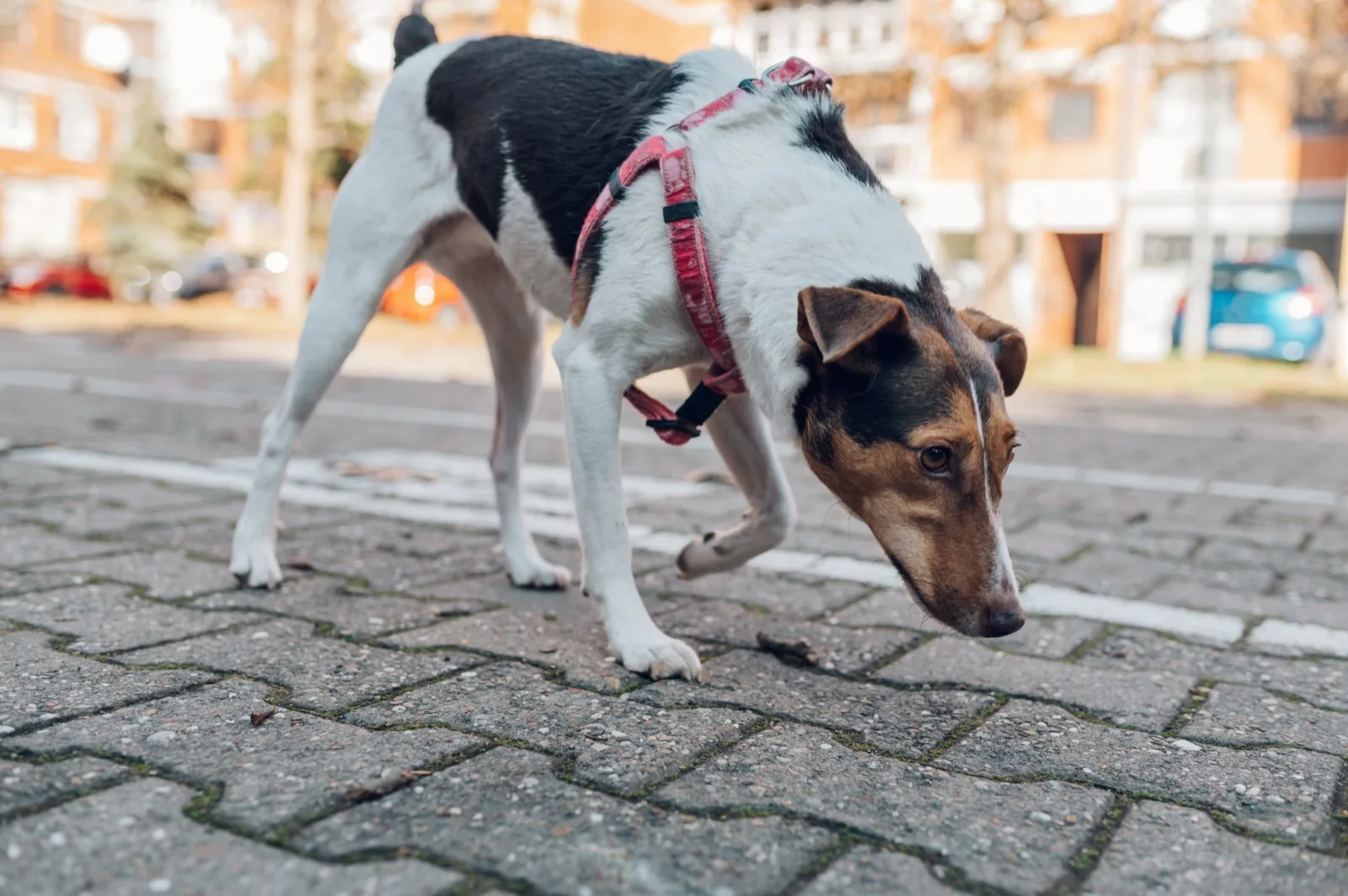
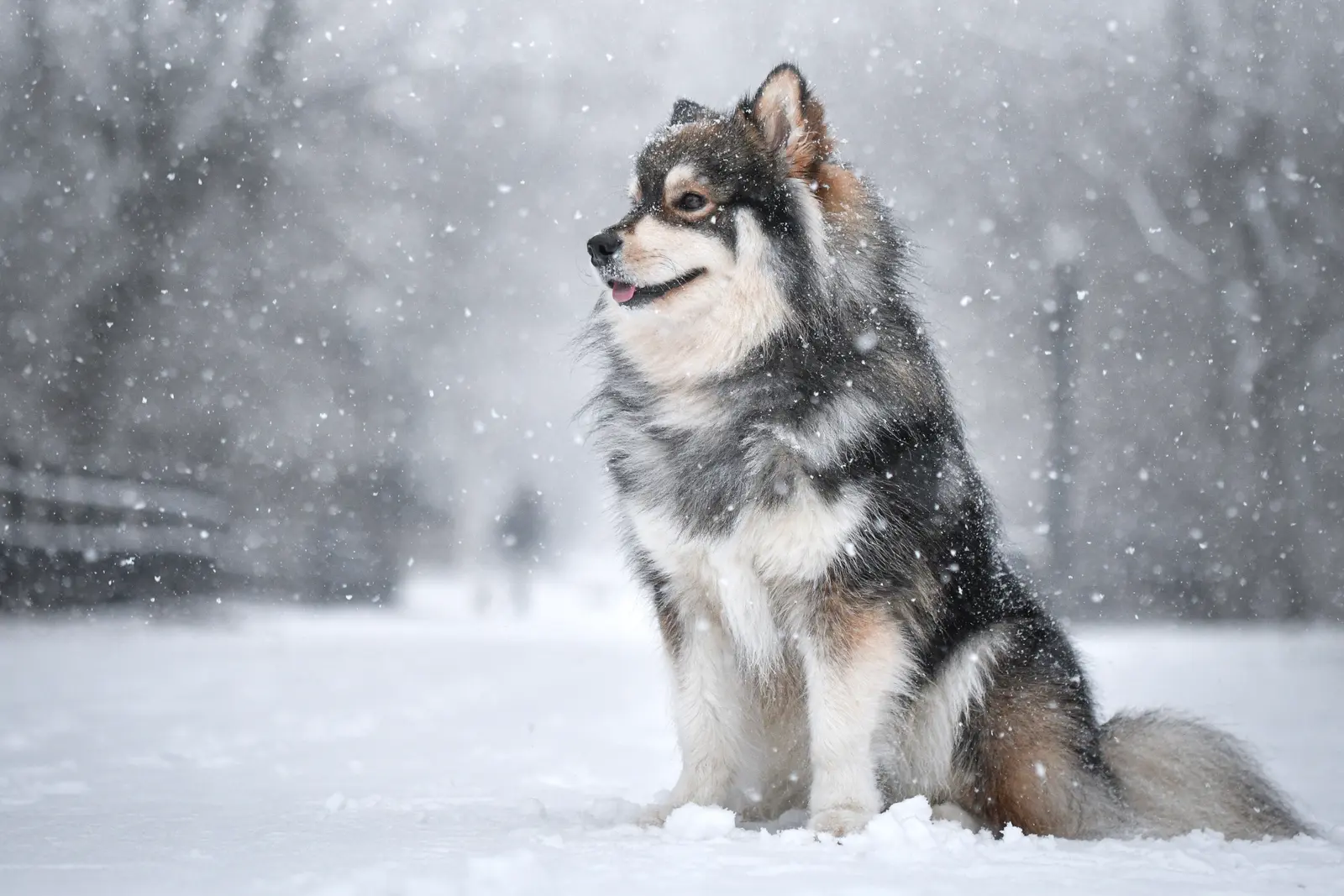
- Coat. A double-coated husky or Newfoundland is carrying equipment a greyhound simply doesn’t have. Short-coated breeds feel cold much sooner.
- Age. Puppies and senior dogs both regulate temperature poorly. A fourteen-year-old dog who managed last winter fine may not manage this one.
- Health and weight. Illness, arthritis, and being underweight all reduce a dog’s ability to hold heat. Arthritis in particular gets worse in the cold, which is worth remembering before a long walk.
- What they’re used to. A dog who’s been outside all autumn handles the first cold snap better than one coming out of a warm house into 10°F.
Watch the dog, not the thermometer
The number gets you in the right neighborhood. The dog tells you the rest.
Shivering is the obvious signal, but it isn’t the first. Before that you’ll usually see the walk change: slowing down, lifting a paw off the ground, tucking the tail, hunching the back, whining, or simply turning for home. Any of those is the walk ending, not a reason to push on for one more block.
One thing worth knowing: a dog that stops shivering while still out in the cold needs to get warm right away. Shivering is the body working. Its absence in genuinely cold conditions isn’t reassurance.
Paws, salt, and the stuff on the sidewalk
This is the part first-time owners underestimate, and in a metro that salts heavily it’s the most common winter problem.
De-icing salt irritates paw pads, and dogs lick it off, which is the bigger issue. Rinse or wipe the paws after every walk — a shallow dish of warm water by the door works as well as anything you can buy.
Beyond that:
- Paw balm before you head out gives a layer of protection, and helps with the cracking that comes from going between dry indoor heat and cold outside.
- Boots work genuinely well for dogs who tolerate them. That’s a smaller number of dogs than you’d hope, and it takes practice indoors first.
- Check between the toes for packed ice balls. On a long-haired dog these build up fast and hurt more than the cold does. Trimming the fur between the pads helps.
Which de-icer you buy is a smaller lever than it looks, because your own steps are the only part you control — the pavement between your house and the park is somebody else’s decision. It’s still worth getting right, and the trade-offs are less obvious than the bags suggest: we’ve written up what’s actually in pet safe ice melt, and why the gentlest products stop working around the temperatures a Minnesota January actually hits.
When to call a vet
Frostbite most often shows up on the ear tips, tail, and paws — skin that looks pale or grey, then red and swollen as it warms. Hypothermia looks like intense shivering, then lethargy, weakness, and confusion.
Both are veterinary situations, not wait-and-see ones. If you’re warming a dog on the way, do it gradually — blankets and a warm room rather than direct heat, which can do further damage to cold tissue.
The first winter with a new dog
If you’ve just adopted, a few things make the first winter easier:
Potty trips get short and businesslike
A dog who dawdles happily in September may want nothing to do with a snowbank in January. Shovel a small patch down to grass — many dogs strongly prefer it, and it saves a standoff at the door in the dark.
Exercise has to go somewhere
A dog who normally gets an hour outside still needs to use their brain. Scatter feeding, puzzle toys, training sessions, and hide-and-seek indoors all take the edge off. A bored dog in February finds its own entertainment, and you won’t like the choice.
Expect the adjustment to stretch
If your dog is new to you, winter adds a layer to the settling-in period — fewer outings, less to look at, more time indoors together. Our 3-3-3 rule guide covers what that adjustment usually looks like.
Check the collar and ID
More dogs go missing in winter than people expect, and snow flattens the scent trails they’d normally use to get home.
If you’re still choosing a dog
Winter is worth factoring in honestly. A high-energy dog who needs two hours a day is a different proposition in a Minnesota January than in June, and a short-coated dog will need gear that a double-coated one won’t.
That’s a good conversation to have with a rescue before you apply, not after — foster-based organizations have usually lived with the dog through a winter and can tell you exactly how they handled it. You can browse every rescue we list or narrow to Minnesota organizations.
Winter is also when rescues feel the squeeze: fostering slows down, adoptions slow down, and costs go up. If you’re not in a position to adopt right now, fostering over the winter months is genuinely useful to them.
We’re an independent directory and aren’t affiliated with any organization listed here. Nothing above is veterinary advice — if you’re worried about your dog in the cold, your vet is the right call.