
Topic
Minnesota
10 articles
-

How to find a lost cat — search close, slow and after dark
A lost cat is usually hiding, not traveling — half the cats in one study of 1,210 were found within 50 meters of where they got out. How to search a small radius properly, why calling does something different than it does with a dog, and what Twin Cities cities do and don't do with a found cat.
-
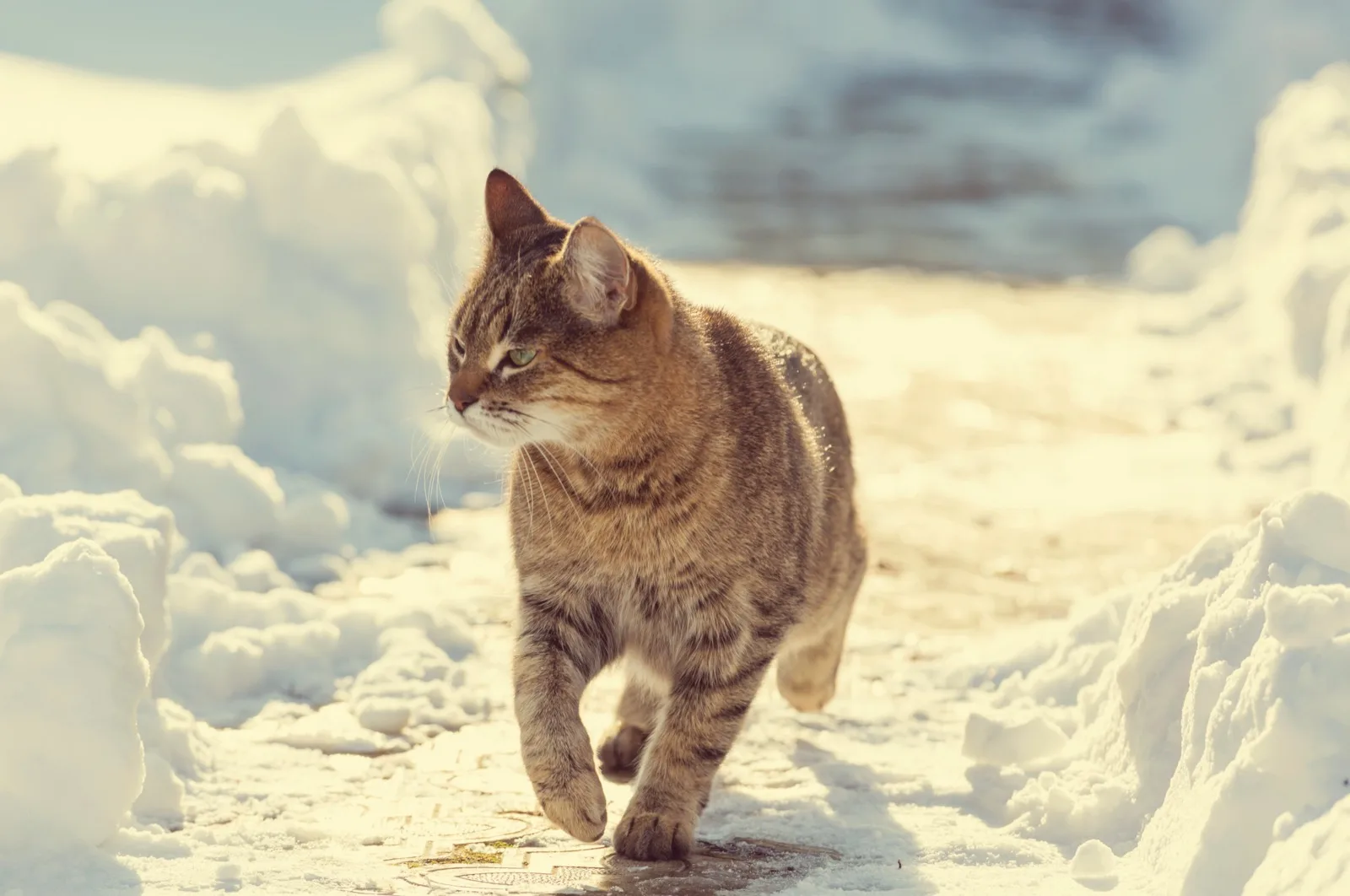
How cold is too cold for a cat? And how to get outdoor cats through a Minnesota winter
Most cats start to feel it below 45°F, and below freezing a thin-coated cat shouldn't be out more than 10 to 15 minutes. What changes that number, and how to shelter, feed and water the cats who live outside.
-

Fostering a cat or kitten in the Twin Cities: what it asks of you, and how to start
Bottle babies, shy adults, a mom with a litter. Here's what cat fostering involves in the Twin Cities, what the organization covers, how the application usually goes, and the city rule worth checking before a litter of five comes home.
-
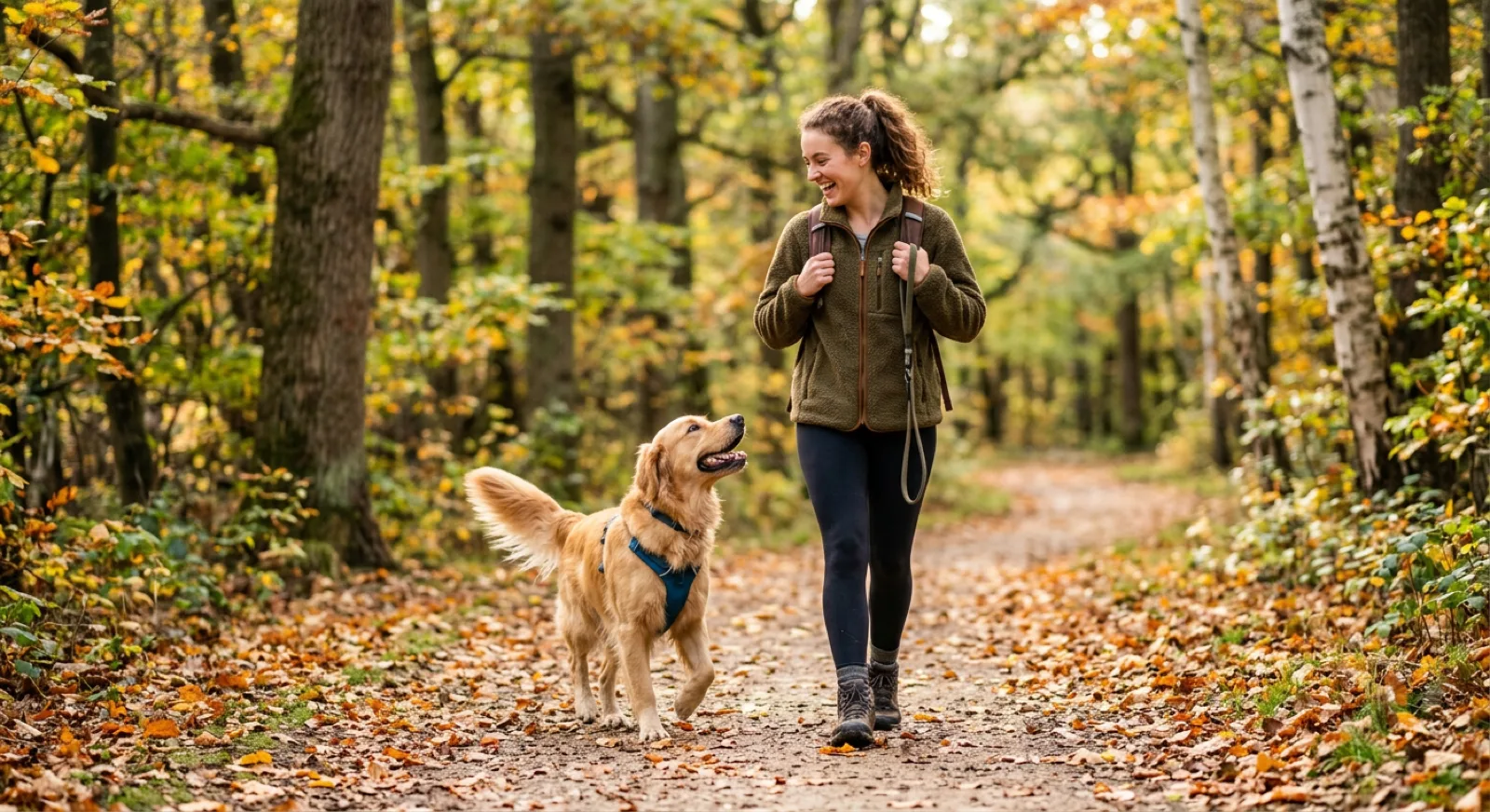
Your dog just got out — what to do first in the Twin Cities
Don't chase and don't call — and file the report before you start walking. Here's who takes a lost pet report in Minneapolis, Saint Paul and the suburbs, why the impound is a place you go rather than a website you check, and what changes once the weather turns.
-

You found a stray dog or cat — who to call, and what animal control does
Who to call about a stray dog or cat depends on which Twin Cities city you're standing in. Minneapolis animal control runs through 311, Saint Paul has its own line, most suburbs contract theirs out — plus what animal control will and won't pick up, which number answers after hours, and what the five-day hold means.
-
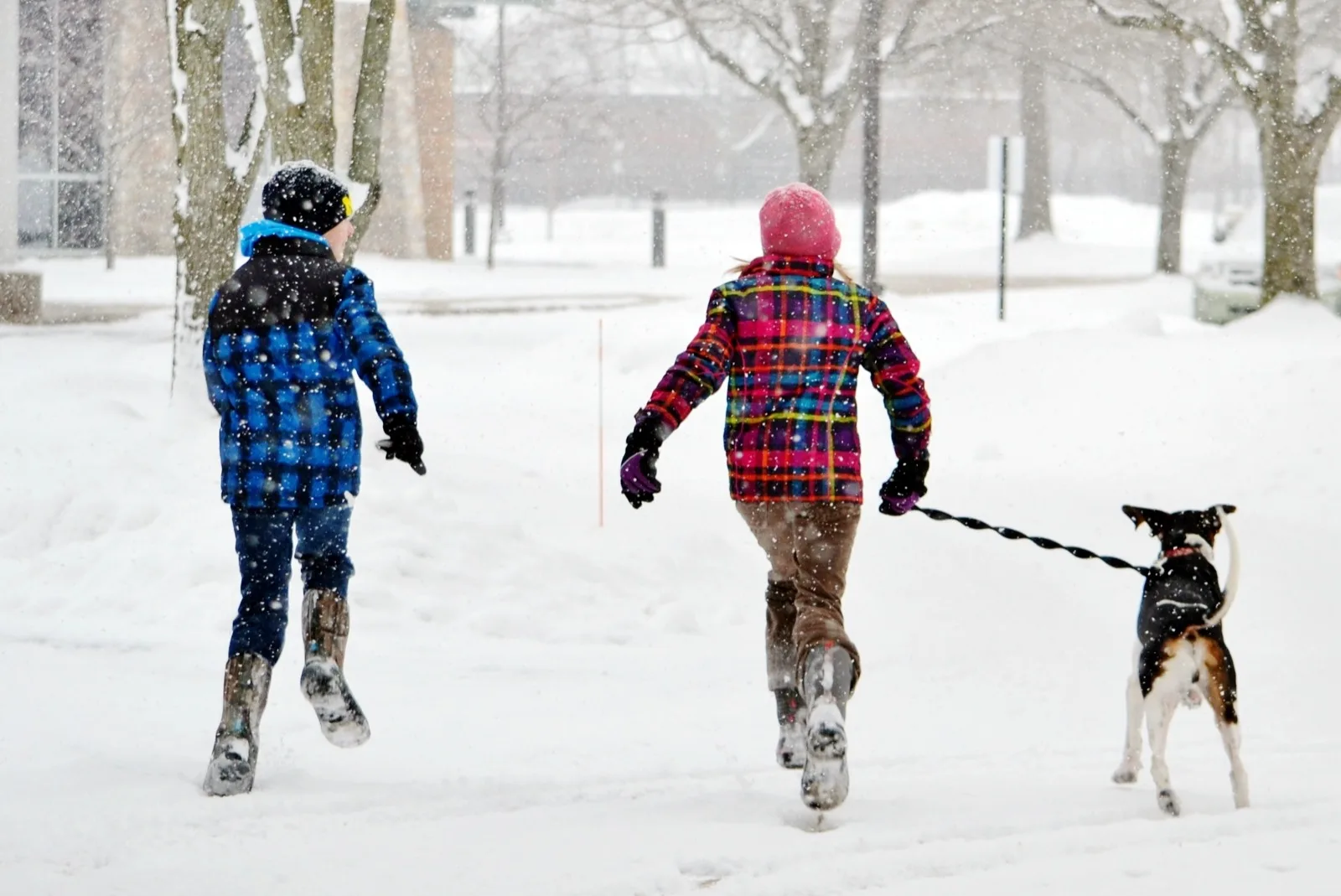
Pet safe ice melt: what actually works in a Minnesota winter
"Pet safe" isn't a regulated term, and the gentlest ice melts stop working around 20°F. What's in the bag, what it does to paws, and how to handle a Minneapolis January.
-

How cold is too cold for a dog? A Minnesota owner's guide to winter
Vets treat 45°F as the first caution line, 32°F as when risk climbs, 20°F as genuinely dangerous. What changes those numbers, and what to watch for.
-

Adopting through a rescue: what to expect, and why it's worth it
Applications, home checks, meet-and-greets and fees — what the rescue adoption process actually involves, and why the extra steps are usually worth it.
-
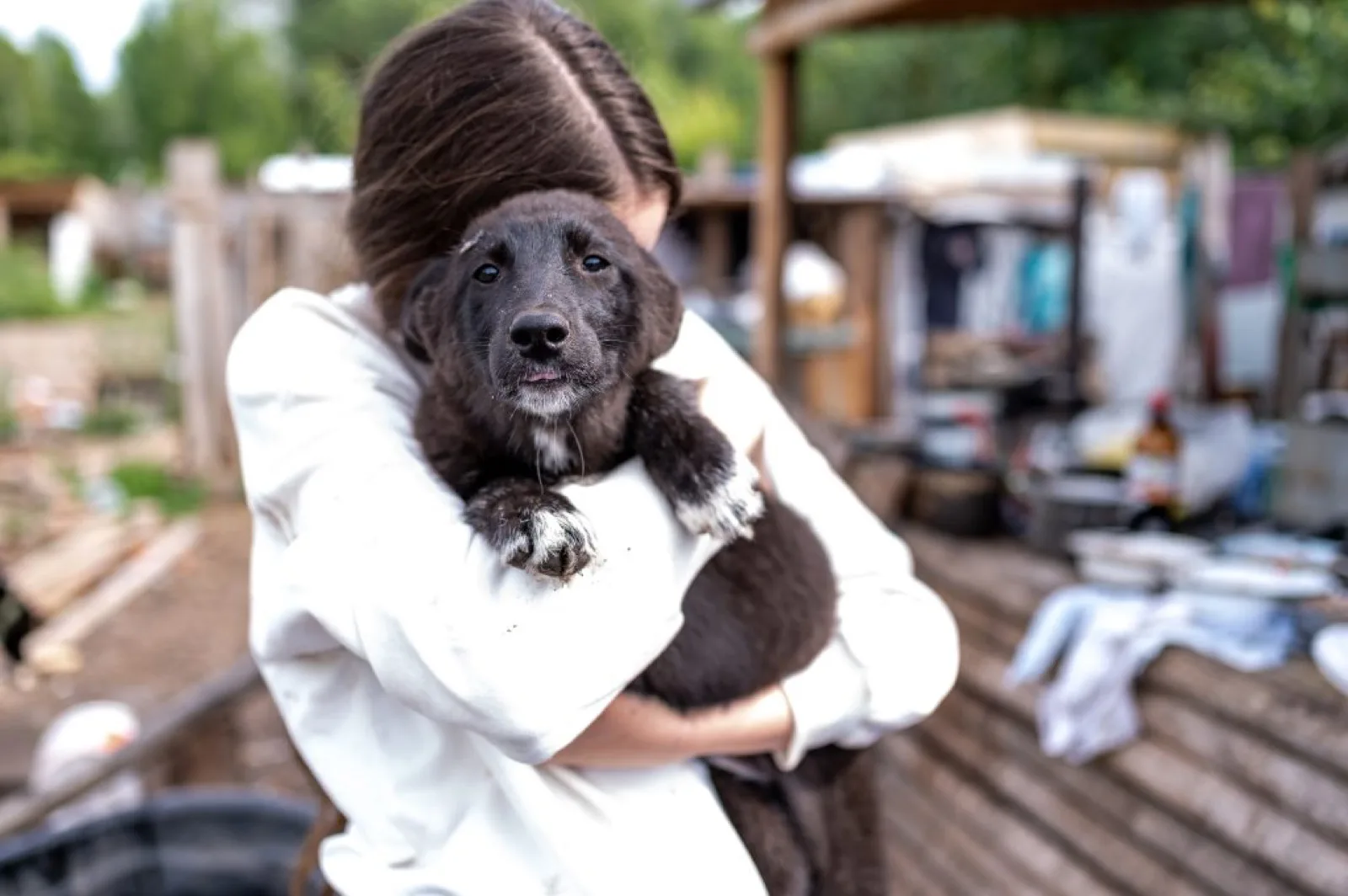
Why no-kill shelters matter
Discover why No Kill animal rescue shelters in Minnesota and the Twin Cities are saving more lives and how you can support their life-saving mission today.
-

Giving to Twin Cities animal rescues: where to give, and how to check first
Give to the Max Day is November 19. Which local rescues take donations, how to read an organization's public filings before you give, and what money buys that supplies can't.