
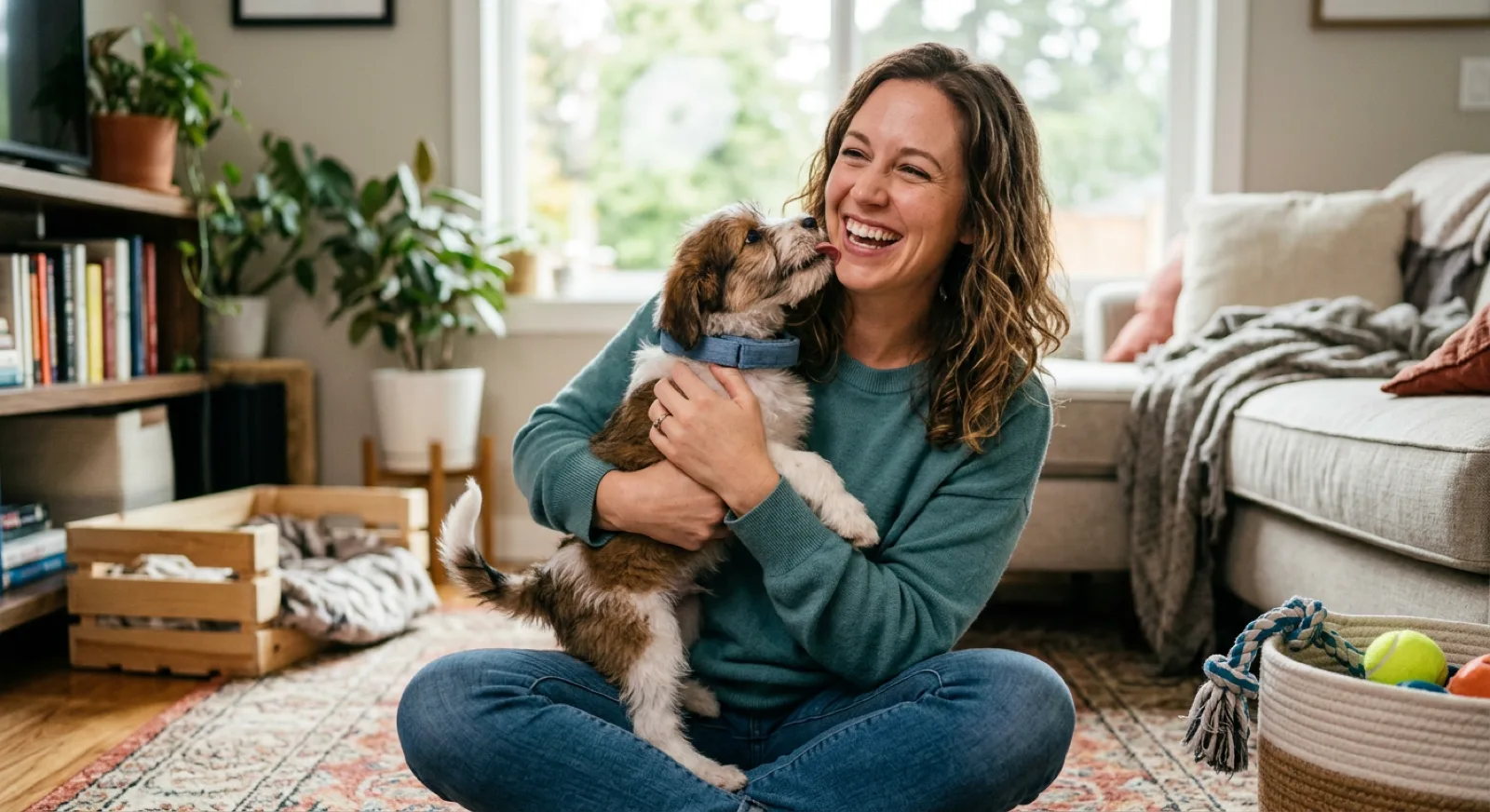
Dog fostering in the Twin Cities: a complete guide to saving lives
Fostering a dog represents one of the most meaningful ways you can help, particularly within the Twin Cities’ dog rescue community. It functions as a bridge between a homeless animal and their permanent family. When you foster through Minneapolis or St. Paul rescues, you provide safety and stability until adoption occurs. The Twin Cities desperately needs foster families to expand rescue capacity.
What is dog fostering?
Fostering involves temporarily welcoming a pet into your home. Most Twin Cities rescues lack large facilities, instead relying on networks of foster homes that offer comfort and affection.
A Temporary Home for Your Foster Dog
Foster homes serve as transitional spaces connecting a dog’s past to their future. Some dogs stay for weeks; others remain for months. The consistent goal centers on maintaining safety and happiness while finding permanent families. Fostering senior dogs offers particularly rewarding experiences, as older pets face adoption challenges.
Bridging the Gap Between Shelter and Home
Many dogs originate from stressful environments or overcrowded shelters. Foster homes allow them to decompress and experience normal home life. They learn that humans provide kindness, consistent food, and warmth.
Why Twin Cities animal rescues need your help
Minneapolis and St. Paul house numerous dedicated rescue organizations. However, rescue capacity directly correlates with available foster homes. When homes fill completely, rescues must refuse additional animals.
Saving Space in Shelters
“When you engage in dog fostering in the Twin Cities, you are actually saving two lives.” You save your foster dog and create shelter space for another animal. This proves especially crucial during harsh Minnesota winters when animals need indoor protection.
Learning About the Dog
Foster parents function as “animal detectives.” Living with a dog reveals personality details—whether they bark at squirrels, interact well with children, or fear vacuum cleaners. This information helps rescues match dogs to appropriate families.
The 7 big benefits of dog fostering for animals
Foster homes provide dramatically superior environments compared to shelter conditions, which can prove loud, unfamiliar, and overwhelming.
1. Less Stress and More Love
Foster dogs experience relief and relaxation. They sleep on comfortable furniture, receive individual attention, and develop confidence as their true personalities emerge.
2. Learning Good Manners Through Dog Fostering
Foster care offers training opportunities. Teaching basic commands like “sit” and “stay” improves adoptability. Professional expertise isn’t required—consistency matters most.
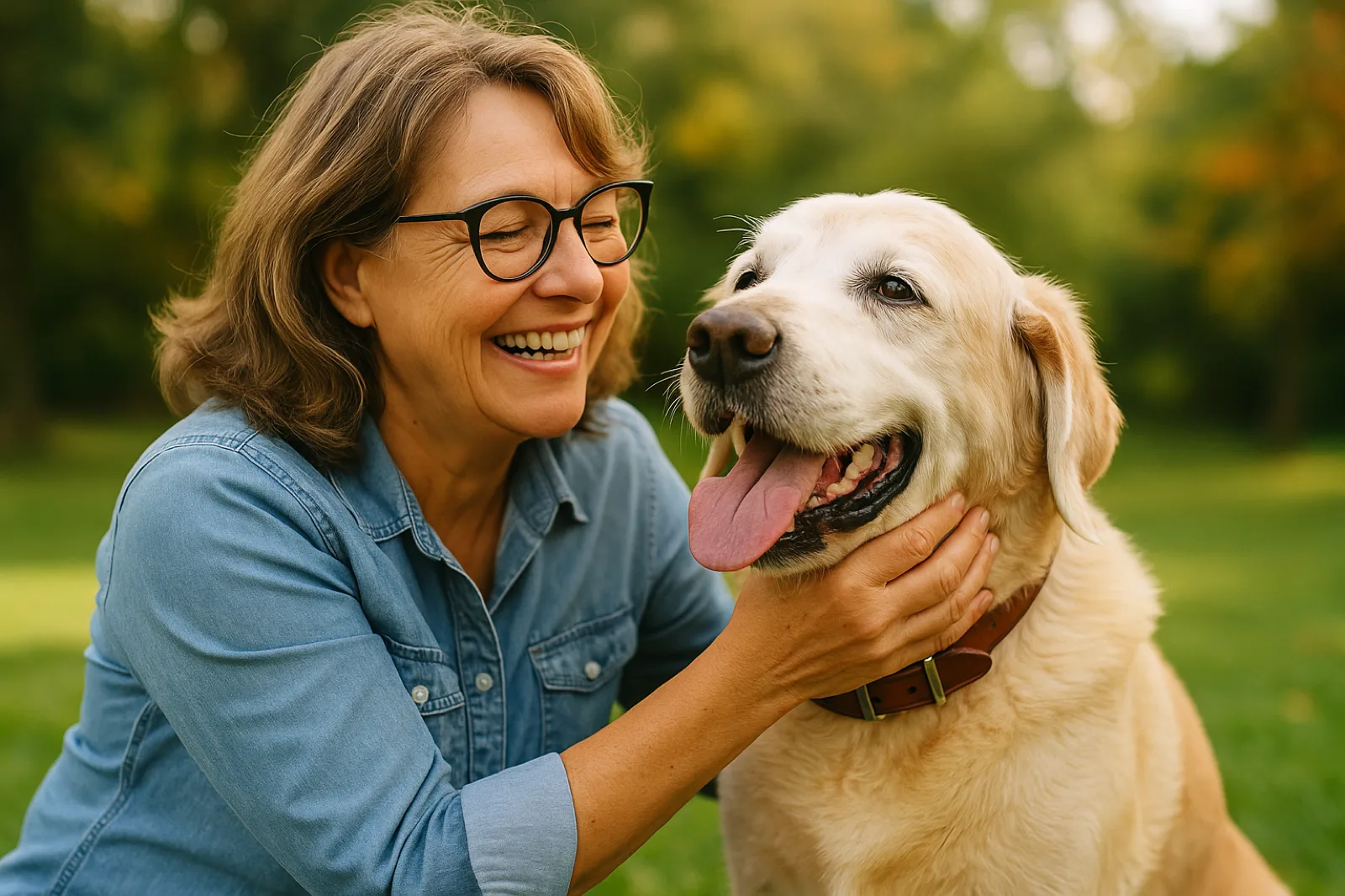
The joy of dog fostering for you
Fostering benefits volunteers alongside the animals they support.
Love and Companionship
If you love dogs but aren’t ready for 15-year commitments, fostering provides an ideal solution. Each dog offers unique personality experiences without permanent responsibility.
Helping Your Community
Twin Cities foster programs strengthen local animal welfare efforts. You’ll connect with other volunteers and foster parents who share your compassion for animals.
Common myths about dog fostering debunked
Misconceptions sometimes discourage potential foster families.
“It’s Too Hard to Say Goodbye”
Saying goodbye carries bittersweet emotions, but watching your foster dog join a loving family brings genuine joy. Successful adoptions create space for helping additional dogs.
“It Costs Too Much Money”
Most Twin Cities rescues cover veterinary expenses, medications, and food. Volunteers provide homes, toys, and love. “Dog fostering is often a ‘free’ way to help animals.”
How to get started with dog fostering in the Twin Cities
Residents seeking to participate will find numerous rescues actively recruiting foster families.
Finding a Twin Cities Rescue
Select rescues matching your lifestyle. Some specialize in large dogs; others focus on specific breeds or smaller animals. Search “dog fostering near me”, visit Petfinder, or browse our directory to locate Twin Cities organizations. Most maintain websites showcasing available dogs.
Setting up your home for dog fostering success
Mansions aren’t necessary—just safe, clean spaces.
Creating a Safe Space
Designate a “quiet zone” using a crate, spare bedroom, or corner dog bed. If you’re new to crates, these crate training games make the introduction a lot easier. Newly arrived dogs may feel shy. Safe spaces facilitate security. Secure hazardous items like shoes and electrical cords.
Creating a Routine
Dogs thrive on predictable schedules. Consistent feeding and walking times build security and faster adjustment to foster homes.