

Bringing a rescue dog home for the first time is exciting — and often more challenging than new adopters expect. Most rescue dogs don’t waltz through the door ready to play fetch and curl up on the couch. They’ve often experienced upheaval, multiple shelter stays, or an unknown past, and they need time to figure out that this new place is safe. The 3-3-3 rule for rescue dogs is a widely used framework in the adoption community that breaks the adjustment process into three meaningful milestones: 3 days, 3 weeks, and 3 months. Knowing what to expect at each phase helps you respond with patience rather than frustration when your new dog seems uncertain, withdrawn, or unlike the dog you met at the rescue.
Phase 1 — the first 3 days: shock and overwhelm
When your rescue dog first arrives home, everything is unfamiliar — the smells, the sounds, the people, the layout of the space. Many dogs enter a state of overwhelm during this period, and it can look very different from dog to dog.
What overwhelm actually looks like
Some dogs shut down completely. They may hide under furniture, refuse food, or sit frozen in one spot. Others swing to the opposite end and become hyperactive, pacing, whining, or trying to bolt whenever a door opens. Both responses are completely normal. Your dog isn’t broken — they’re trying to process an enormous amount of new information all at once.
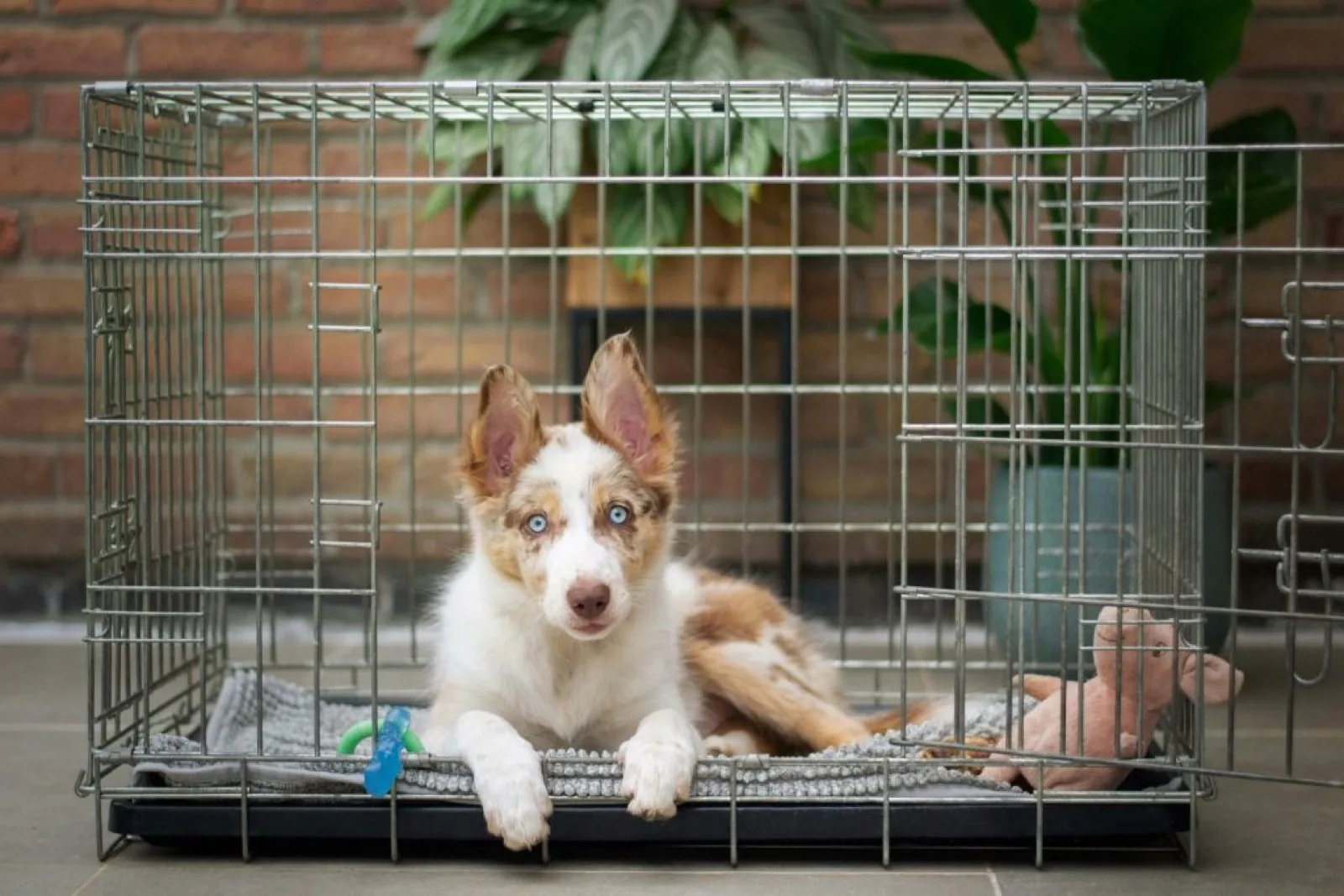
Keeping the first three days quiet
During these first three days, the goal is to keep things as calm and predictable as possible. Avoid hosting large gatherings, introducing your new dog to every neighbor on the block, or taking them on exciting outings. Give them a quiet corner that can serve as their safe zone — a crate, a dog bed in a low-traffic area, or a sectioned-off space where they can retreat when the world feels like too much.
Resist the urge to comfort through constant interaction. Let your dog come to you when they’re ready. Keep a consistent feeding schedule even if they don’t eat right away — most dogs will start eating within a day or two once the initial anxiety fades. The decompression period rescue dog advocates recommend is specifically about setting low expectations for connection and high expectations for quiet, consistent routine.
Phase 2 — the first 3 weeks: learning the rules of your household
After the initial shock wears off, your rescue dog starts paying closer attention. By the end of the first week or the start of the second, many dogs begin to map out the household: where the food comes from, when walks happen, which humans are trustworthy, and what the rules seem to be.
When their real personality arrives
This is also when their true temperament begins to emerge — and sometimes that means behaviors you didn’t see during those first quiet days. A dog who was subdued may start testing limits, jumping on furniture, or pulling hard on leash. A dog who seemed anxious may begin showing confidence and curiosity. These shifts are signs of a healthy adjustment, even when they’re challenging to manage.
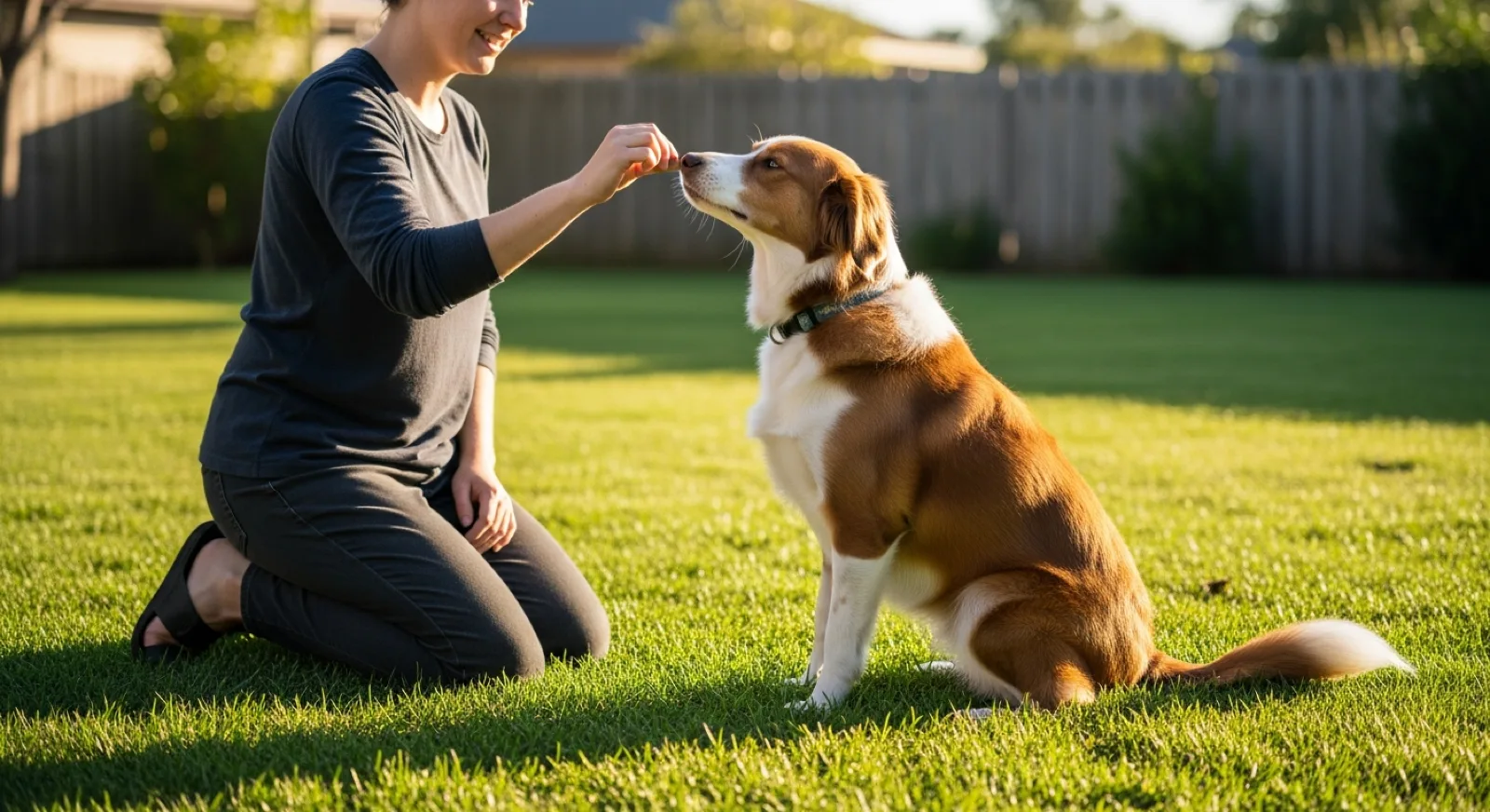
Why consistency does the heavy lifting
The most effective new rescue dog tips during this phase center on consistency. Feed at the same times each day. Walk the same routes. Use the same words for commands. Dogs thrive on predictability, and every consistent interaction builds trust. If you’re starting obedience training, short positive reinforcement sessions — five to ten minutes a day — are enough to begin establishing real communication without overwhelming a dog who’s still adjusting.
It’s also normal for some dogs to test the rules during this phase. They’re checking whether boundaries actually hold. Clear, calm responses work far better than frustration. If jumping up gets your dog attention, it will continue. If it consistently results in you turning away, it will fade. Bringing a rescue dog home successfully during this phase means staying the course even when the behavior feels like a step backward.
Many Twin Cities rescues offer follow-up support during these early weeks — ask the organization you adopted from what’s available, since it varies and they rarely lead with it. Reaching out early prevents small behavior issues from becoming entrenched problems.
Phase 3 — the first 3 months: coming into their own
Three months in, most rescue dogs have genuinely settled into their new home. They know the routine, they recognize the people in their lives, and they’ve developed a real sense of security. This is the phase when bringing a rescue dog home stops feeling like a project and starts feeling like it was always meant to be.
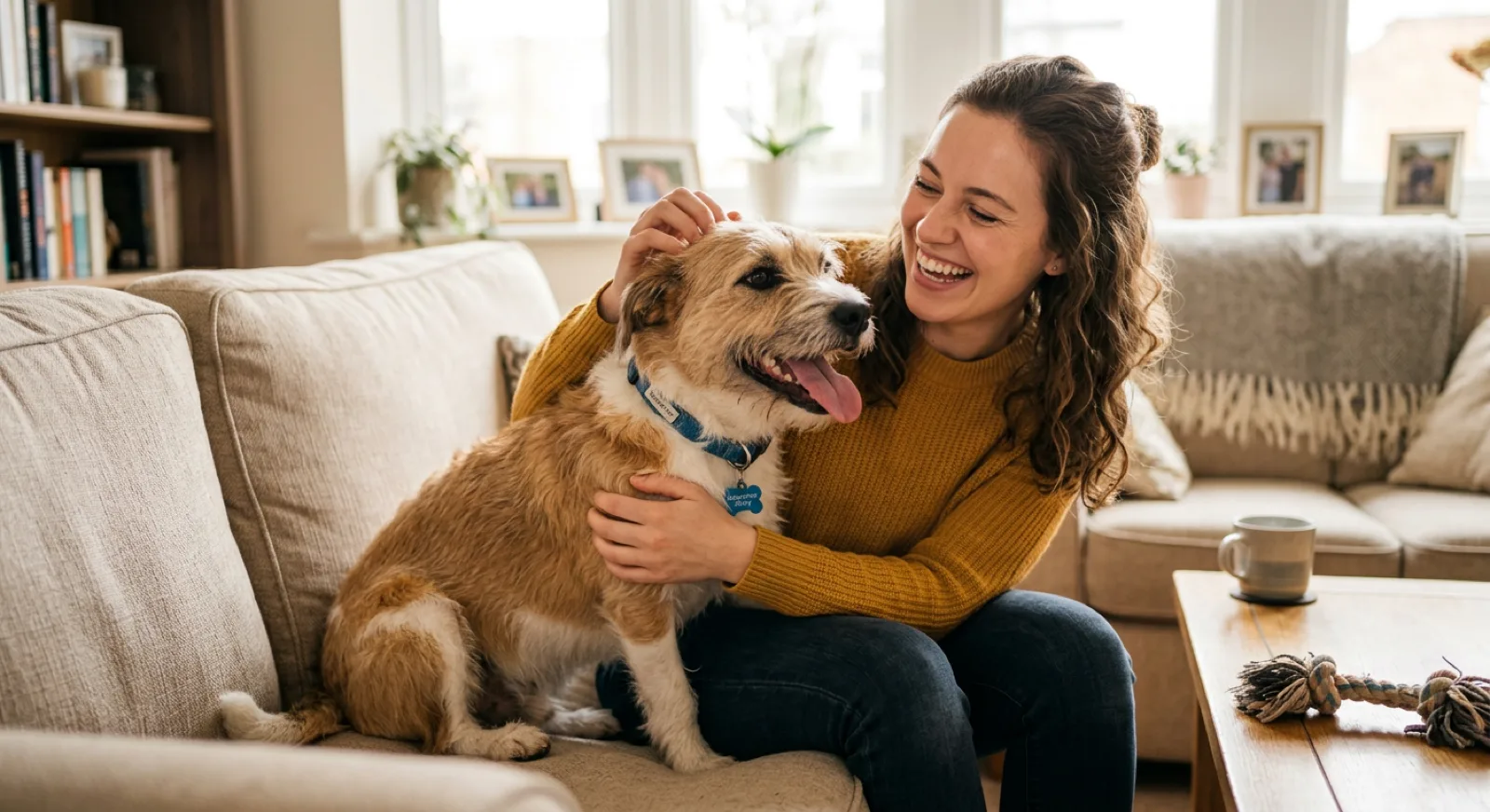
The dog you actually adopted
You’ll likely notice a full personality emerging. The dog who was too scared to play in week one might now bring you toys and initiate games. The dog who was glued to your side out of anxiety might start exploring the backyard independently and with confidence. This transformation is one of the most rewarding parts of adopting a rescue, and it happens precisely because you gave them the time and stability to get there.
Training also tends to accelerate during this phase. Once a dog genuinely trusts you, they’re far more motivated to engage and respond to cues. If you’ve been consistent during the first two phases, you’ll start seeing real results — more reliable recall, calmer leash manners, easier settling at bedtime.
What still takes longer than three months
Some behaviors may still take longer than three months, particularly for dogs with significant trauma histories. Fear responses, reactivity toward other dogs, or resource guarding can all improve with patient, positive-reinforcement-based training, but they rarely resolve completely in just ninety days. The three-month mark is a meaningful milestone, not a finish line. The rescue dog adjustment period for some dogs extends to six months or even a year before they feel truly at home.
How to support your dog through every phase
No matter which phase your dog is in, a few core practices support a smooth rescue dog adjustment period from day one through month three and beyond.
Create a dedicated safe space
Every rescue dog needs somewhere that is entirely their own — a crate, a dog bed in a quiet corner, or a sectioned-off room. Teach everyone in the household, including children, never to bother the dog when they’re in this space. It becomes their signal that they can opt out when the world feels like too much.
Commit to a consistent daily schedule
Feeding, walking, and bedtime at the same times each day communicate safety more effectively than any amount of verbal reassurance. Predictability is the foundation of trust for a dog who has experienced instability.
Go slow with introductions
Hold off on large gatherings or neighborhood visits for the first few weeks. New people are stimulating but also stressful. Gradual, calm introductions build positive associations far better than overwhelming meet-and-greets, no matter how well-meaning your friends and family are.
Learn to read stress signals
Yawning out of context, lip-licking, whale eye (showing the whites of the eyes), a low tucked tail, and panting in a cool room are all indicators that your dog is stressed. Recognizing these signals lets you step in with space and calm before the dog reaches a threshold where it reacts.
Lean on your rescue’s resources
Many Twin Cities rescues provide behavioral support, training referrals, and post-adoption check-ins. Taking advantage of these services is one of the best decisions a new adopter can make. The rescue knows your dog’s background — their insight during the adjustment period is invaluable.
Give yourself grace
There will be moments, especially in weeks two and three, when you wonder whether you made the right decision. That feeling is entirely normal and almost universally temporary. Nearly every adopter who pushed through the early phases reports that the bond they built was worth every difficult day.