The history of the pack
Learning from the Wild
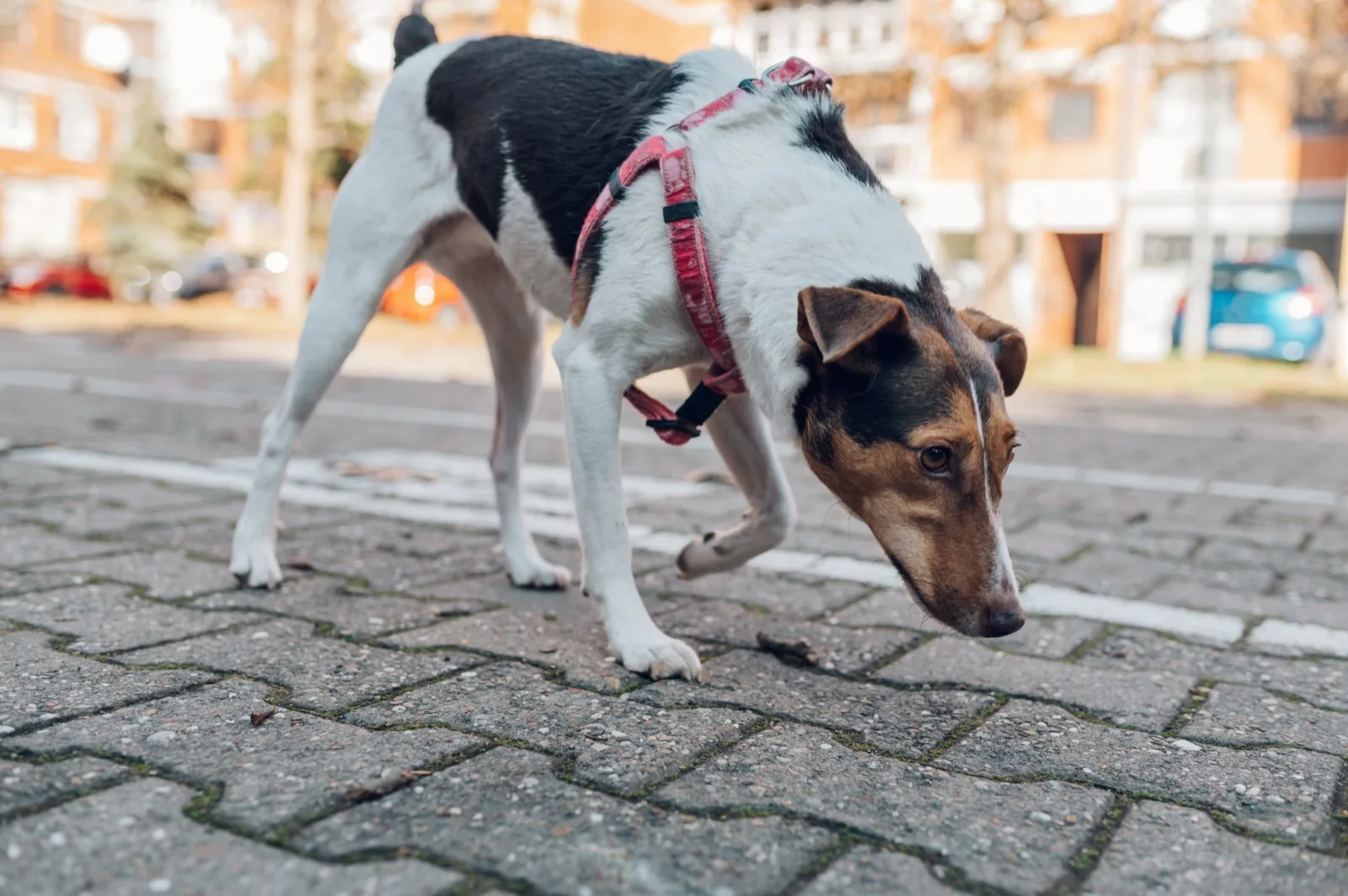
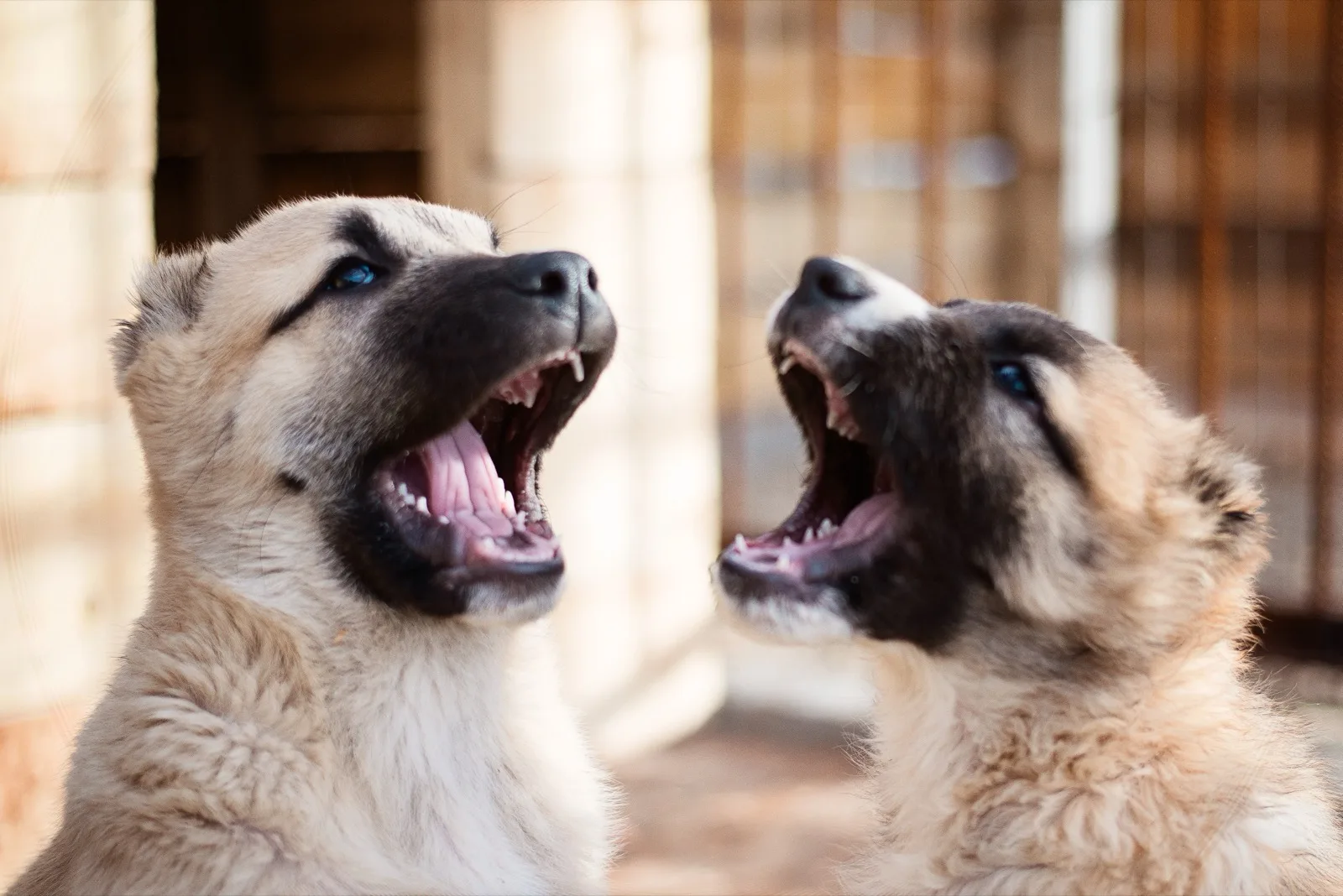
Dogs descend from wolves, which live in groups called packs. Pack members stay together for safety—a lone wolf faces danger. Though pet dogs now live in warm Minnesota homes, they retain ancestral instincts. They view you as their pack leader, and following you demonstrates their belonging within your group.
Survival Skills
In the wild, pack members follow the leader to locate food and avoid predators. Your dog perceives you as their provider of food, water, and affection. Following represents their strategy to remain close to the person ensuring their survival.
Domestication and Change
For thousands of years, humans have selectively bred dogs to work alongside us—for hunting or herding. This meant choosing dogs that stayed near people. Over time, dogs became remarkably attuned to our movements. Being a “Velcro dog” is actually a trait humans intentionally cultivated.
The science of the bond
The Cuddle Chemical
Oxytocin, known as the “love hormone,” releases in both your brain and your dog’s when you pet them or make eye contact. This chemical creates feelings of happiness and calm. Your dog follows you because proximity to you literally feels rewarding neurologically.
Positive Reinforcement
When your dog follows you, they often receive treats, affection, or praise. Dogs learn rapidly that following leads to positive outcomes. They anticipate that your next movement might result in playtime or food.
Reading Human Body Language
Dogs excel at interpreting human signals—watching eyes, hands, and breathing patterns. By following you, they’re “reading” upcoming events. Your keys might signal a car ride; your coat might mean a walk around the lake. They follow to stay informed.
Curiosity and the desire to help
What are You Doing?
Dogs possess natural curiosity about human activities. When you enter another room, they want to understand why. Are you opening a snack? Moving a toy? They fear missing out on action—especially young puppies still learning about their world.
The “Helper” Instinct
Certain breeds were developed to work closely with people. Golden Retrievers and German Shepherds, for example, enjoy having jobs. When they follow you, they may feel they’re “working,” monitoring you to ensure everything’s fine—their way of being a good partner.
Daily Routine and Patterns
Dogs thrive on routines. Twin Cities dogs learn when morning walks and evening cuddles occur. When you head toward the kitchen at 5:00 PM, they follow because they know dinner approaches. They’re simply staying synchronized with their day.
Comfort and safety
You Are Their Safe Space
For many dogs, especially rescue animals, the world feels frightening. New sounds or unfamiliar people create anxiety. You’re the person they trust most. Your presence gives them courage, making following you like carrying a security blanket.
The Bond of a Rescue Dog
Rescue organizations observe that newly adopted dogs often follow owners very closely—a behavior called “tethering.” The dog ensures their new companion won’t disappear. Once they learn you’ll always return, they typically relax. This reflects deep love and security needs.
Protection and Loyalty
Even small dogs feel compelled to watch out for their owners. Following represents their way of maintaining environmental awareness. They want to alert you to changes—a beautiful manifestation of loyalty spanning human-dog history.
Encouraging healthy independence
Why Space is Good
Though having a shadow is endearing, every dog needs to learn independence. If a dog cannot tolerate even brief alone time, they may experience stress. Teaching them to relax in separate rooms builds confidence and happiness.
The “Place” Command
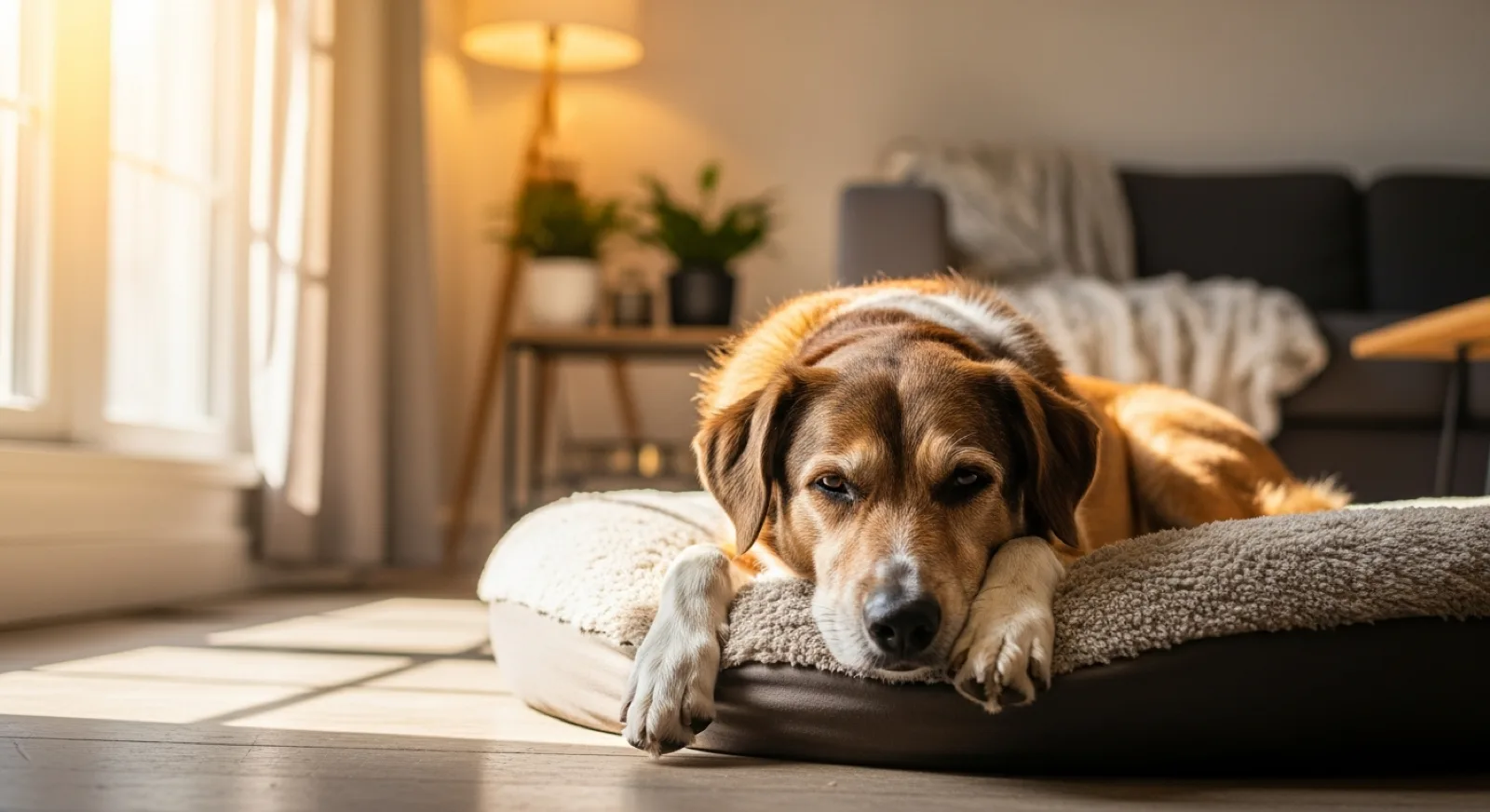
The “place” command is among the most effective training techniques. Teach your dog to go to a specific bed or rug and remain there. Start with just seconds, gradually increasing duration. This communicates: “You’re safe here, even without me nearby.”
Mental Games and Toys
Sometimes dogs follow due to boredom. Puzzle toys or chew bones provide mental engagement. If their mind stays occupied, they won’t feel compelled to monitor your every move—giving them enrichment while you handle tasks.
Living together in the Twin Cities
Enjoying the Bond
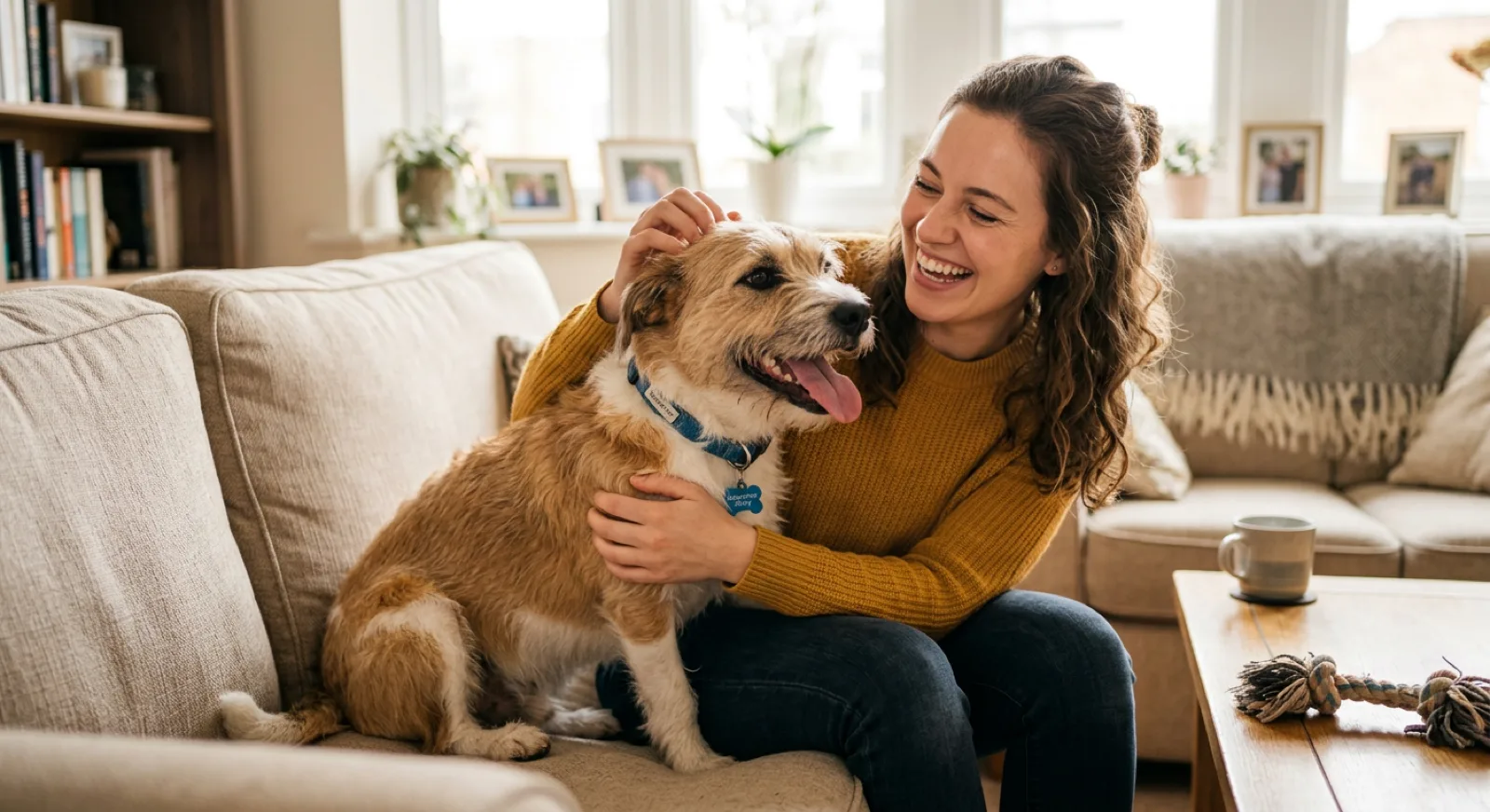
Minnesota’s long winters mean extended indoor time with our dogs, deepening our connection. Enjoying your dog’s shadow behavior is perfectly acceptable. As long as your dog remains happy and doesn’t stress when you leave, shadowing simply signals love.
Knowing Your Dog
Every dog differs. Some breeds naturally prefer independence while others crave constant contact. Understanding what’s normal for your specific dog matters. If they’ve always been a follower, that’s their personality. Sudden increases in following might indicate desire for extra attention.
Building a Great Life Together
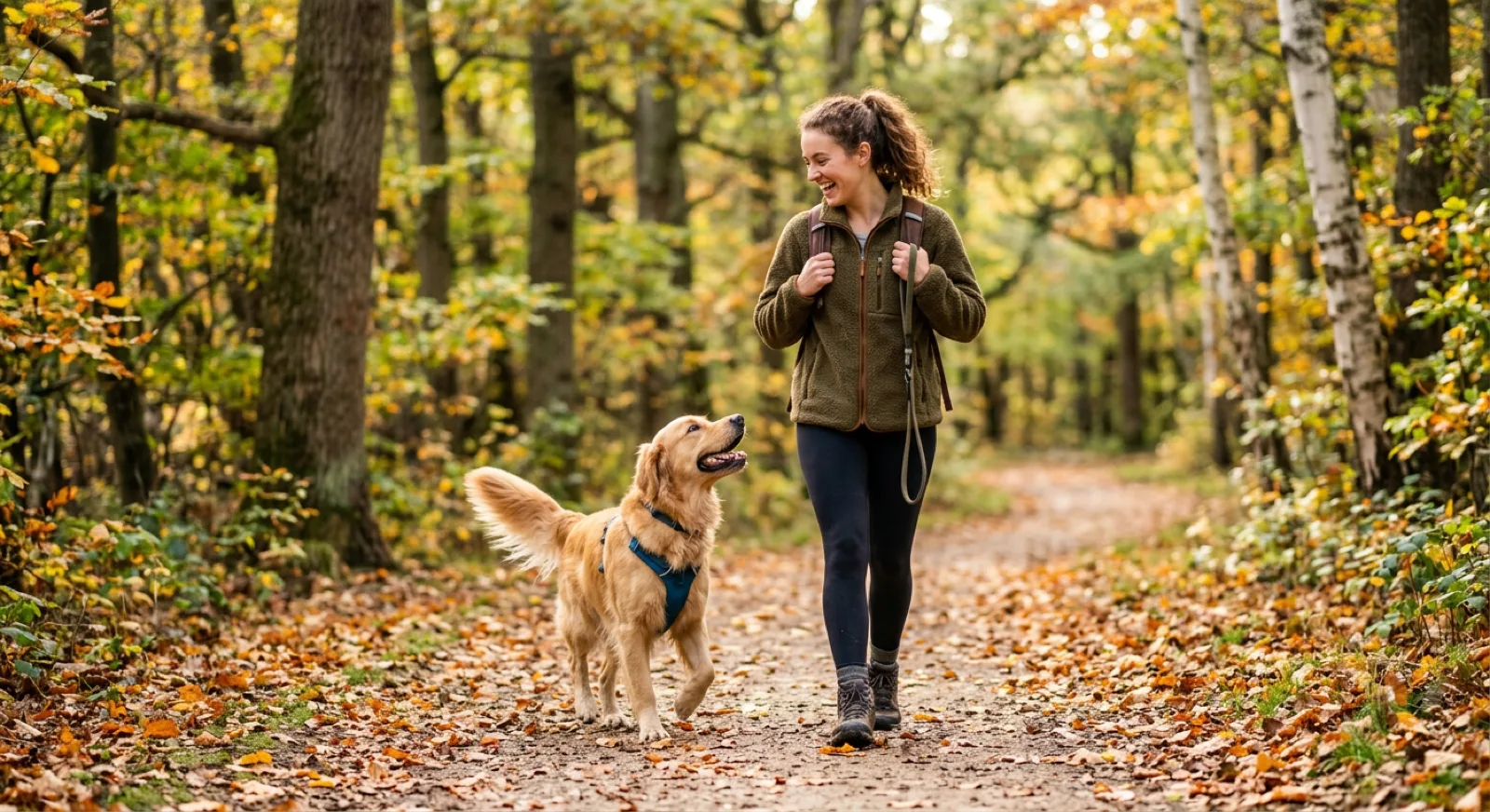
Whether hiking at Minnehaha Falls or sitting on the couch, your dog wants inclusion in your life. Comprehending why they follow helps you become a better owner—reminding you that to your dog, you represent their entire universe. Providing love, training, and a secure home honors that extraordinary bond.