Bringing a rescue dog into your home is a wonderful thing. It is the start of a beautiful friendship. However, many rescue dogs come from tough backgrounds. They might have been lost, lived in a shelter, or moved from house to house. Because of this, some dogs get very scared when their new owners leave. This is called separation anxiety. It means the dog feels worried when they are alone. The good news is that many dogs overcome this with time and love. Below is what the work usually looks like, and the strategies that tend to help.
What is separation anxiety in rescue dogs?
Separation anxiety is more than just a dog being a little sad when you walk out the door. It is a big feeling of fear. For a rescue dog, their new home is their “safe zone.” When you leave, they might worry that you are never coming back. This fear can lead to behaviors like barking, chewing on furniture, or pacing around the house.
Common Signs to Watch For
Every dog is different, but most show signs of worry in similar ways. You might notice your dog starts to shake when you pick up your car keys. They might howl or bark the whole time you are gone. Some dogs may even try to escape their crate or the room they are in. If you come home and find things chewed up, it might not be because the dog is “bad.” It is often because they were feeling very anxious.
Why Rescue Dogs Feel This Way
Many dogs in the Twin Cities animal rescue system have had many “goodbyes” in their life. They might have lost their first family. Then they lived in a noisy shelter. When they finally find a person they love, they don’t want to lose them. It takes time for them to learn that when you leave to go to the grocery store, you will always come back to them.
What the work actually looks like
The most common approach is graduated departures, and the thing that surprises people is how small the first step is.
The first few weeks
You don’t start by leaving for eight hours. You start by leaving for ten seconds — out the door, and straight back in. No fuss on the way out, no big greeting on the way back. The point is to make leaving so boring and so routine that it stops predicting anything frightening.
From there the time extends gradually: thirty seconds, two minutes, ten. If a step produces panic, the step was too big, and you go back to a length the dog handles calmly.
What progress looks like
A camera helps more than anything else here, because it tells you what’s actually happening rather than what you fear is happening. Progress usually shows up as a dog who settles with a chew or a stuffed toy shortly after the door closes, instead of pacing or vocalising the whole time.
Timelines vary a lot. Some dogs are comfortable within weeks; others take months. Working with a trainer who knows rescue dogs is worth it, particularly if the panic is severe.
Proven strategies for home life
Helping a dog with separation anxiety takes patience. There is no “quick fix,” but there are many small steps that lead to big wins. The goal is to build your dog’s confidence so they feel okay being by themselves.
Gradual Departures
This is one of the most important tools in dog training. You want to practice leaving without actually leaving. Pick up your keys, but then sit down and watch TV. Put on your coat, but then go make a sandwich. This helps break the link between these items and the fear of you leaving. Once your dog is calm when you pick up your keys, try stepping outside for one minute, then two, then five.
Creating a Safe Space
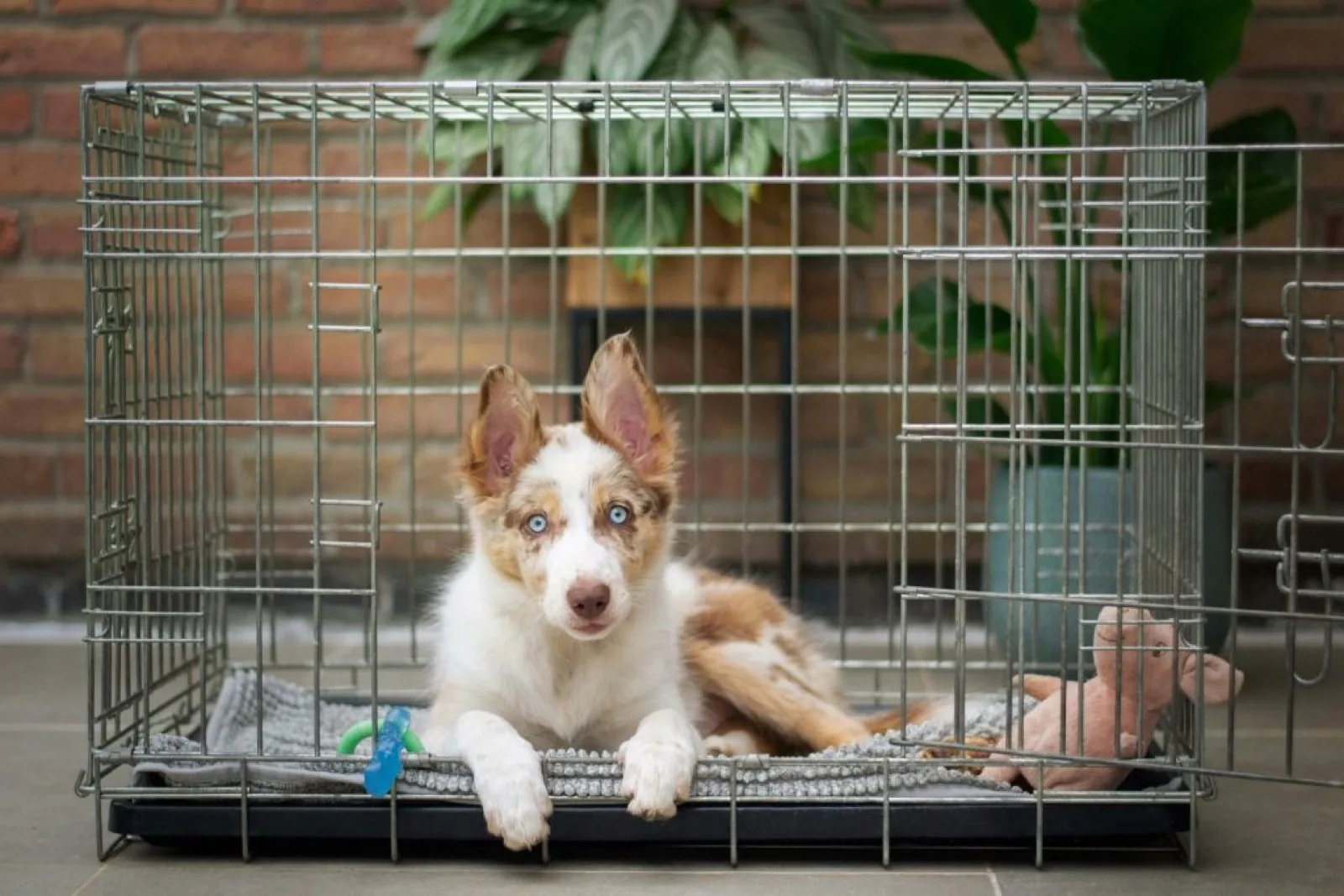
Many dogs feel better if they have a “den.” This could be a dog crate with a soft blanket or a specific corner of the living room. Make this area very happy. Give them their favorite toys only when they are in that spot. You can also play soft music or white noise. In the Twin Cities, many pet parents use “calming music” playlists made just for dogs to help drown out the sounds of traffic or neighbors.
The Power of Routine
Dogs love knowing what comes next. If your morning routine is always the same, it helps lower their stress. Try to feed them, walk them, and play with them at the same times every day. When a dog knows what to expect, they feel less like the world is a scary or confusing place.
Mental enrichment and physical exercise
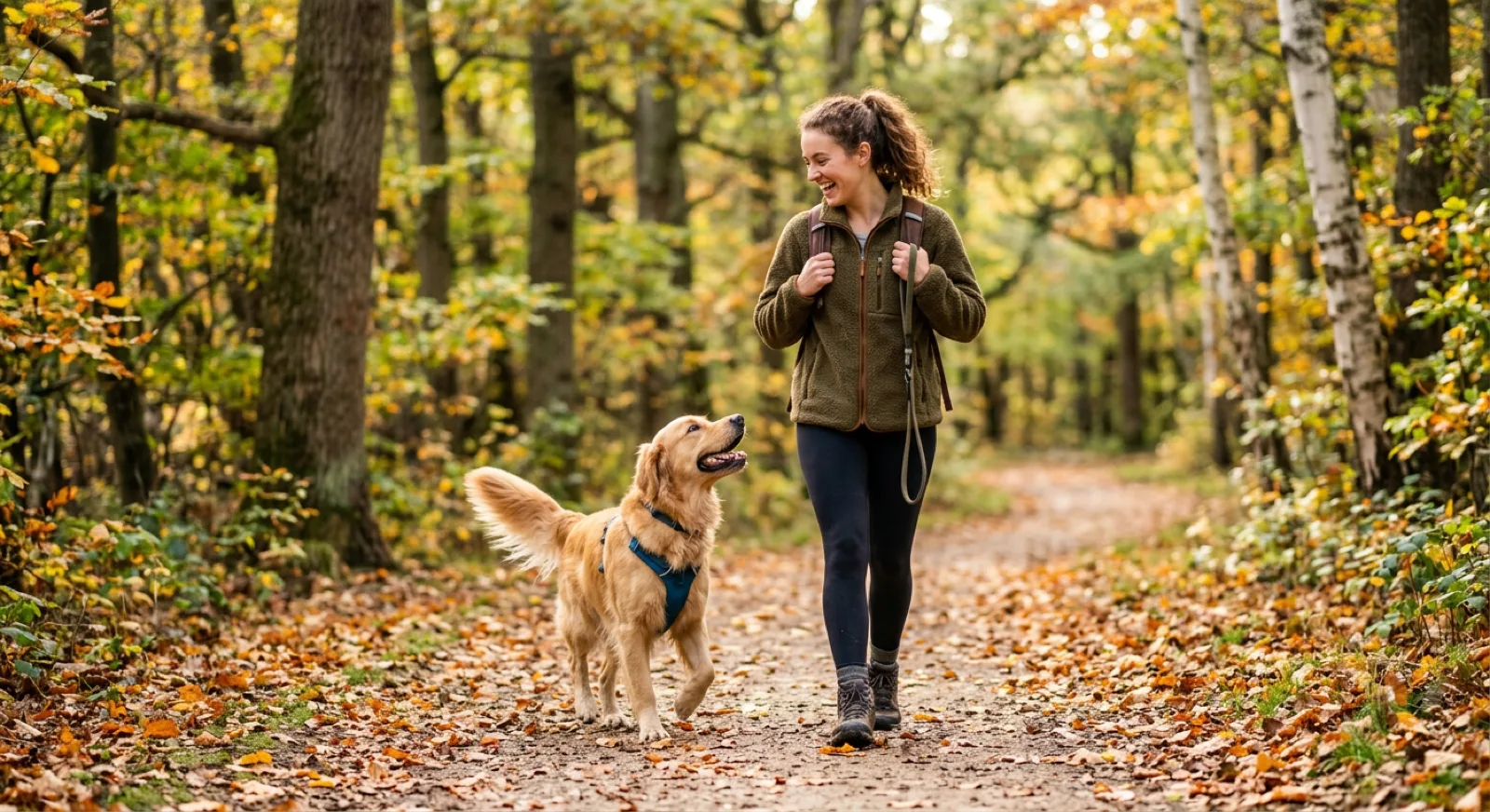
A tired dog is often a calmer dog. This is a common saying in the animal rescue world because it is true! If a dog has used up their energy, they are more likely to rest while you are away.
Puzzle Toys and “Brain Games”
Dogs are very smart. They need to use their brains just as much as their legs. Puzzle toys are great for this. You can put their food inside a rubber toy that they have to lick or chew to get the food out. This keeps them busy for a long time. It also focuses their energy on the toy instead of the door.
Local Twin Cities Parks and Walks
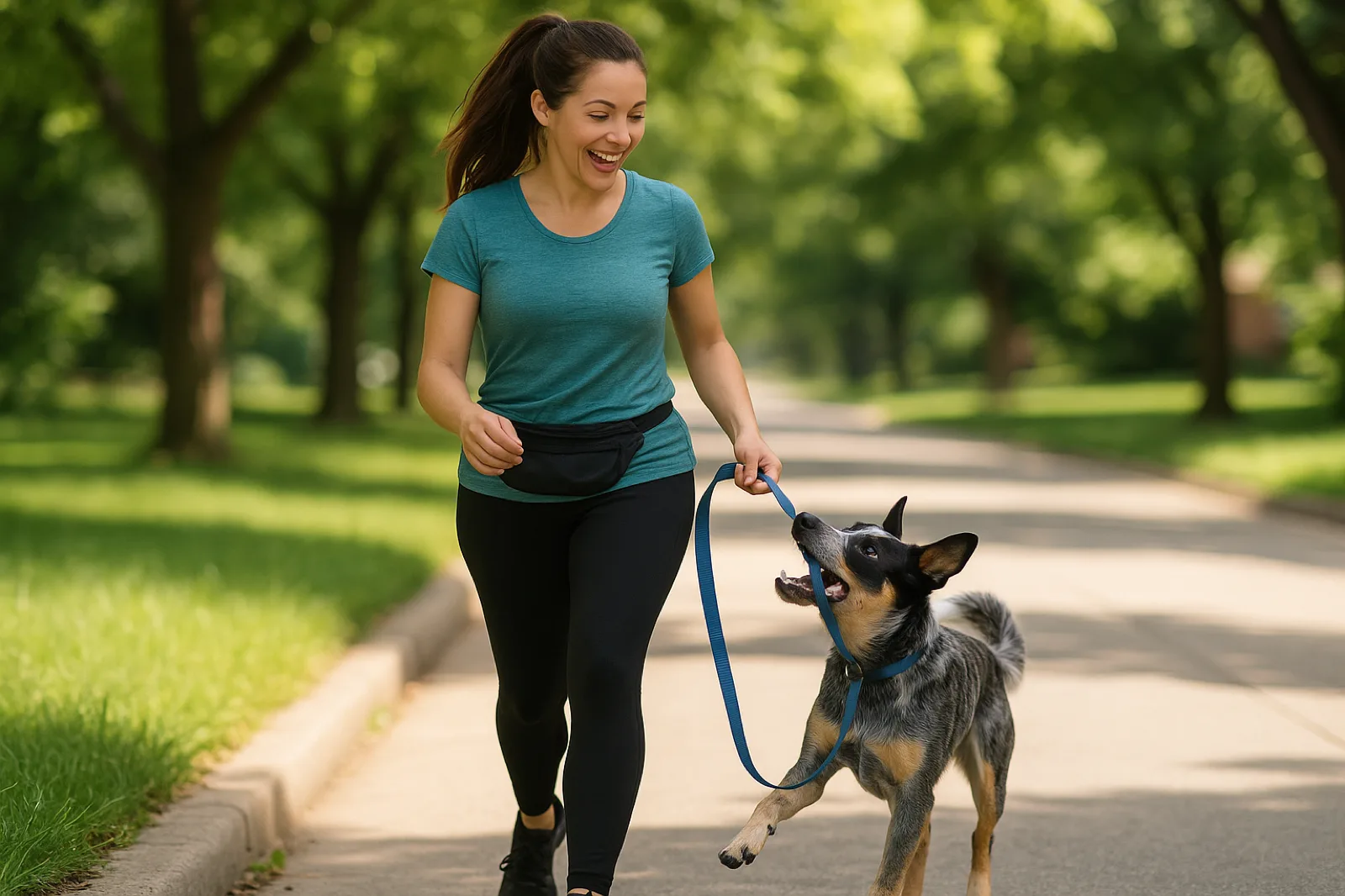
We are lucky to have so many great parks in Minneapolis and St. Paul. Taking your dog for a long walk at a place like Minnehaha Falls or a local dog park before you leave can help a lot. The sniffing and exploring they do outside tires them out. When you get back home, they will be ready for a long nap.
Building independence inside the house
Plenty of dogs aren’t panicking about an empty house so much as about losing sight of you. Following you from room to room — velcro dog behavior — is very common in rescue dogs still learning to trust a new home, and it’s worth working on before you tackle full departures.
Building trust through training
“Stay” and “place” do most of the work. Ask for a stay on a bed or mat while you move to the other side of the kitchen, then gradually further — eventually out of sight, behind a door, for a minute at a time. What the dog learns is that losing sight of you isn’t losing you.
Keep a record
Progress on this is slow enough to be invisible day to day, which is how people conclude it isn’t working and give up. A short note after each session — how long, how the dog handled it — makes the trend visible when a bad week makes it feel like nothing is changing.
Seeking professional help in the Twin Cities
Sometimes, you need an extra hand. There is no shame in asking for help from a professional dog trainer. In fact, it is one of the best things you can do for your rescue pet.
When to Call a Trainer
If your dog is hurting themselves trying to escape, or if you feel very overwhelmed, call a trainer. Look for someone who uses “positive reinforcement.” This means they use treats and praise to teach the dog. This is the safest way to work with a rescue dog who is already feeling scared.
Finding a Local Rescue Group for Support
The animal rescue community in Minnesota is very strong. Many local rescues offer classes or “adopter support” groups. These are great places to meet other people who are going through the same thing. You can share tips and encourage each other. Knowing you are not alone makes the journey much easier.
Online communities for pet parents
If you can’t leave the house to attend a class, there are many helpful groups online. Many social media pages are dedicated to “Separation Anxiety Support.” These groups are filled with pet parents who share what worked for them.
Finding Your “Pack”
Look for groups that focus on rescue dogs specifically. Members often share videos of their training sessions or recommend the best puzzle toys. Being part of a community helps you stay patient. It reminds you that many other dogs have faced this challenge and won. Many owners also find that calm bedtime routines translate well to anxious rescue dogs who struggle to settle at night.
Conclusion: patience and love win
Helping a rescue dog with separation anxiety is a journey of love. It shows your dog that they are finally home and that they never have to worry about being left behind again. By using routines, enrichment, and gradual training, you are giving your dog a great gift. Every small step forward is a victory. Remember to stay patient, stay consistent, and celebrate every time your dog stays calm while you are away. You and your rescue dog are a team, and together, you can overcome anything.