Why rescue dog training is different
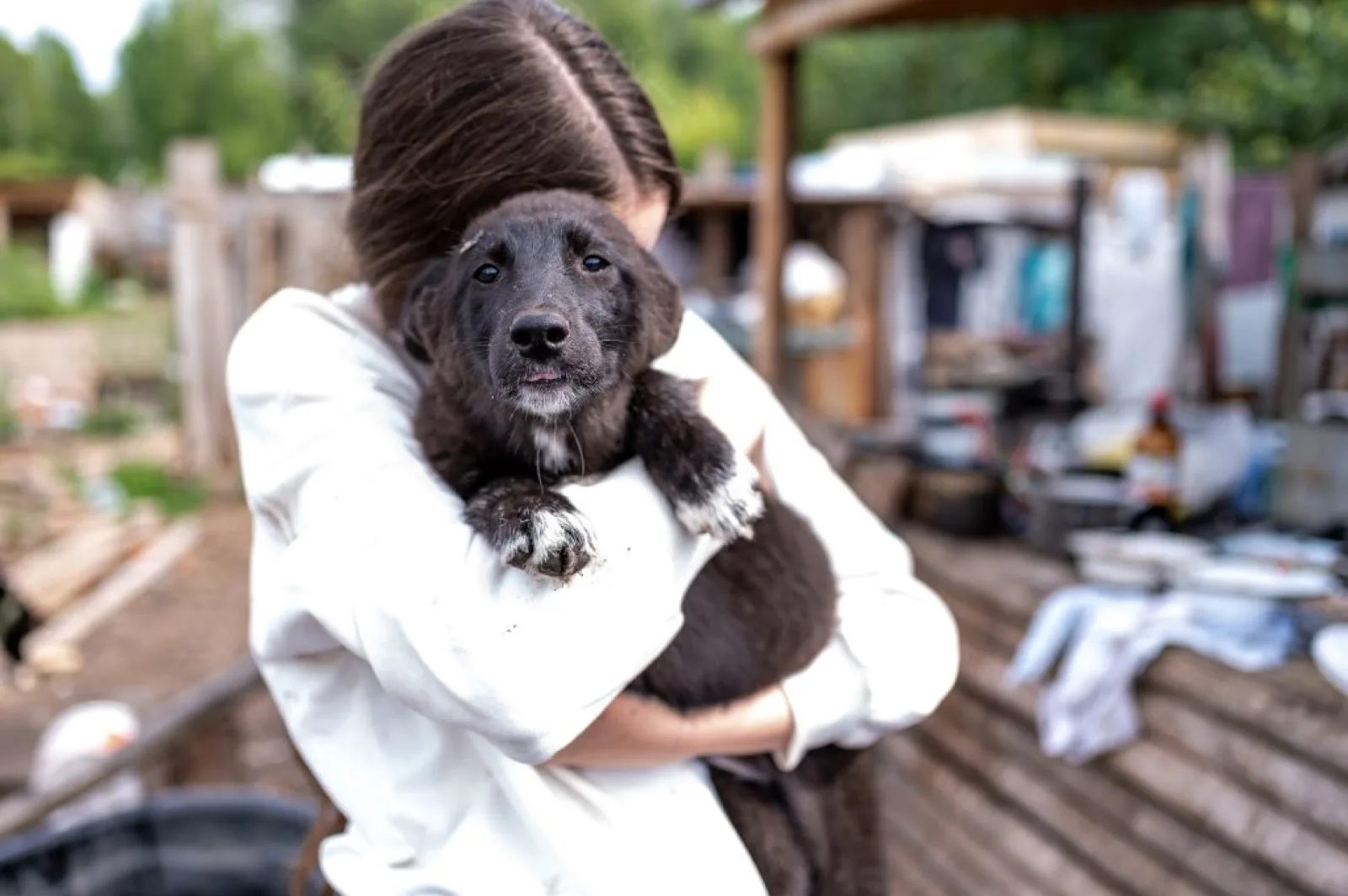
Bringing a rescue dog home is one of the most rewarding things a person can do—but the first few weeks can also be overwhelming. Your new companion may have come from an overcrowded shelter, an abusive situation, or simply a home that could no longer care for them. Whatever their background, one thing is certain: rescue dog training requires patience, consistency, and a deep understanding of where your dog has been.
Unlike puppies raised from birth in a stable environment, rescue dogs carry behavioral baggage. They may be fearful of strangers, reactive on the leash, or struggle with basic commands they’ve never been taught. The good news? With the right approach, virtually every rescue dog can become a well-adjusted, joyful family member. This guide walks you through everything you need to know—from the moment your dog walks through your door to advanced obedience milestones.
Understanding the 3-3-3 rule for newly adopted dogs
One of the most important frameworks in rescue dog training is the 3-3-3 rule. It describes the typical adjustment timeline most rescue dogs follow after arriving in a new home:
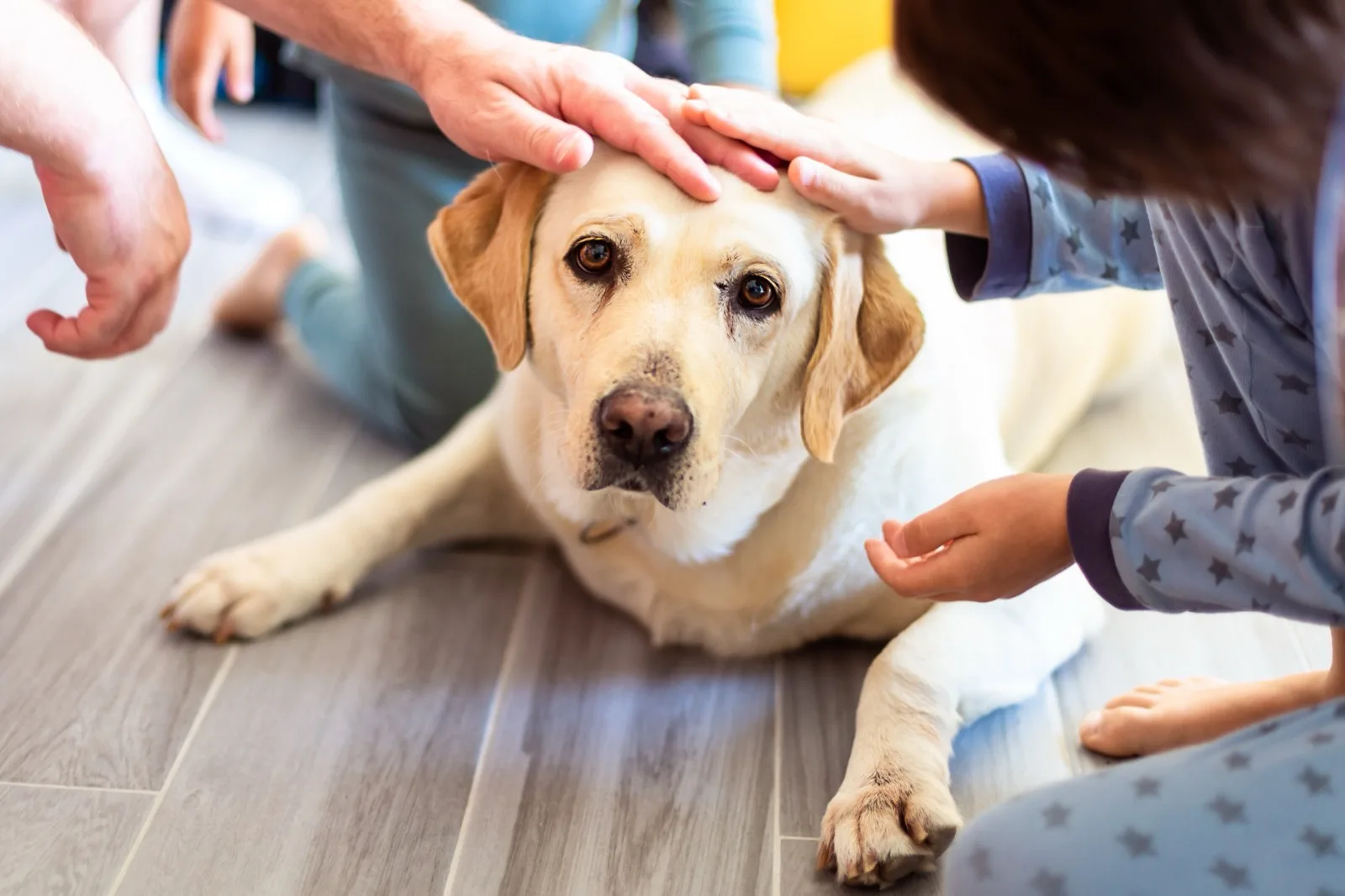
- First 3 days: Your dog is overwhelmed and in survival mode. They may shut down, refuse food, hide, or seem uninterested in interaction. This is completely normal. Resist the urge to flood them with attention or introduce them to every family member at once.
- First 3 weeks: Your dog begins to feel the routine and understands that this is their home. Their true personality starts to emerge—which can include testing boundaries. This is when consistent training becomes critical.
- First 3 months: Your dog feels fully settled, bonded with you, and understands the household rules. This is when they truly begin to thrive and training progress accelerates dramatically.

Understanding this timeline helps you set realistic expectations. Don’t judge your dog’s behavior or potential in the first 72 hours—give them the gift of time.
Setting up your home for training success
Before you teach a single command, your environment does a lot of the heavy lifting. A structured, calm home reduces anxiety and makes it easier for your rescue dog to focus and learn.
- Create a safe zone: Designate a quiet area—a crate, a dog bed in a low-traffic room, or a gated corner—where your dog can decompress without stimulation. This is their sanctuary, not a punishment space.
- Use baby gates and leashes: Limiting your dog’s access to the whole house early on reduces the chances of accidents, destructive behavior, and reinforcing bad habits. Think of it as a “gated community” that slowly expands as trust is built.
- Establish a daily routine: Dogs are creatures of habit. Feed, walk, play, and train at the same times every day. Predictability is deeply calming for a dog that has likely experienced chaos and uncertainty.
- Consider a name change: If your rescue dog has a name associated with past trauma or neglect, renaming them is a simple but powerful reset. Choose a new name with a clear, bright sound and use it consistently with positive reinforcement.
Core positive reinforcement training techniques
Positive reinforcement is the gold standard in modern animal rescue and dog training. It works by rewarding desired behaviors—with treats, praise, or play—immediately after they occur, making those behaviors more likely to repeat. This method is especially effective for rescue dogs because it builds trust rather than fear.
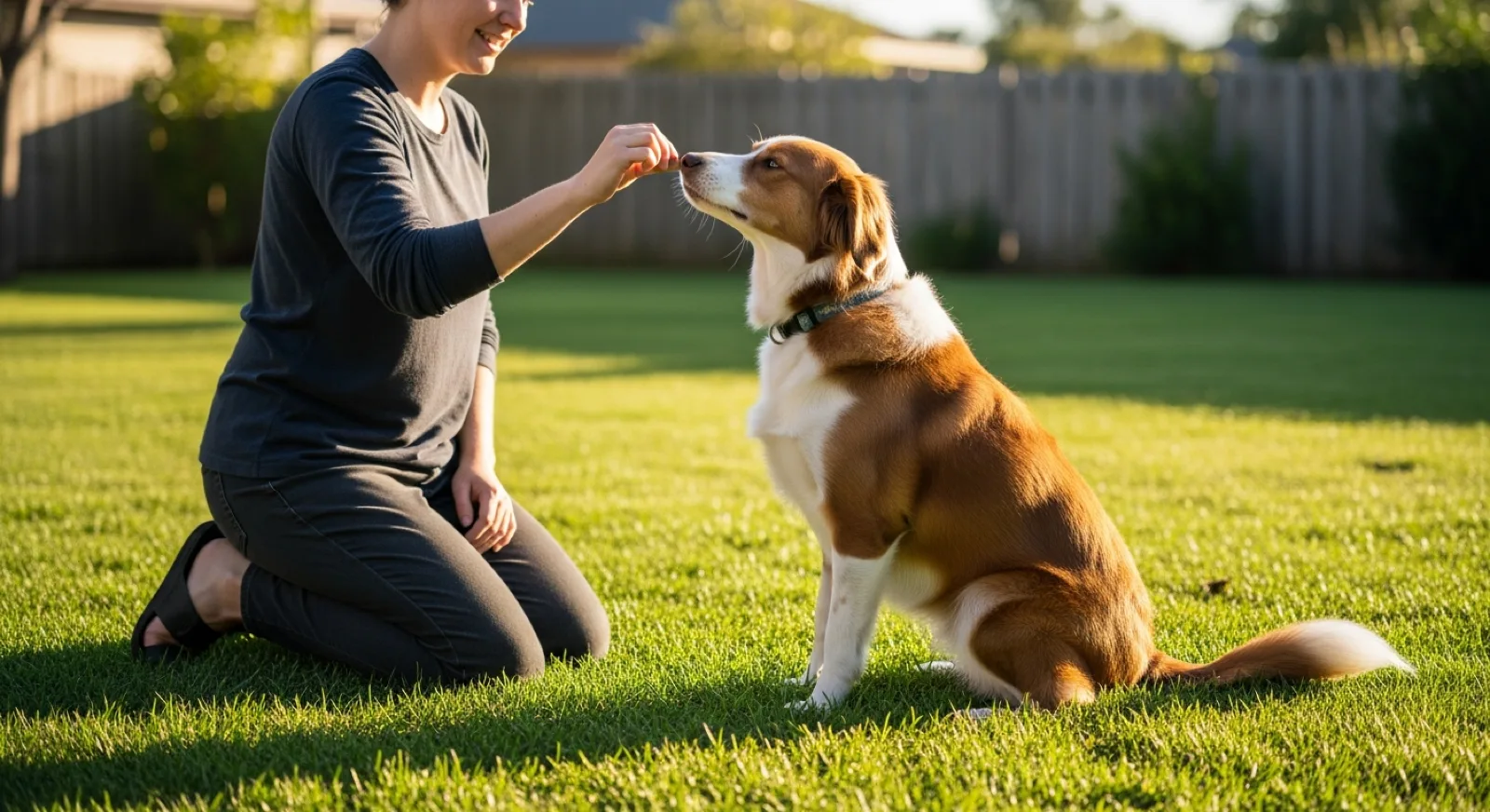
Here are the foundational commands every rescue dog should learn:
- Sit: The gateway command. Hold a treat close to your dog’s nose, then slowly move your hand up so their bottom lowers. The moment they sit, say “sit,” reward, and praise. Repeat 5–10 times per session.
- Stay: Once your dog can sit reliably, practice “stay” by asking them to sit, opening your palm toward them, taking one step back, then returning and rewarding. Gradually increase distance and duration.
- Come (recall): This command can save your dog’s life. Practice in a safe, enclosed space. Crouch down, open your arms, and say “come” in an enthusiastic tone. Always reward heavily—recall should be the most exciting thing a dog can do.
- Leave it: Essential for dogs who scavenge or have resource guarding tendencies. Place a treat on the floor, cover it with your hand, and wait. The moment your dog backs off and looks at you, reward with a different, better treat.
- Loose-leash walking: Many rescue dogs are reactive or have never learned to walk politely on a leash. Start in a distraction-free area. Reward your dog for staying at your side. Stop moving every time the leash goes tight—movement is the reward for loose-leash walking.
Keep training sessions short—5 to 15 minutes—and always end on a success. Multiple brief sessions per day outperform one long session every time.
Addressing common behavioral challenges in rescue dogs
Even with the best intentions, most rescue dog owners will encounter behavioral challenges. Here’s how to approach the most common ones:
- Separation anxiety: Many rescue dogs fear being left alone. Start by leaving for just seconds at a time, then gradually increase. Use food puzzles, a stuffed Kong, or calming music to create a positive association with your absence.
- Leash reactivity: If your dog barks, lunges, or growls at other dogs or people on walks, avoid flooding them with exposure. Instead, work on “threshold training”—keeping enough distance from the trigger that your dog can remain calm, then rewarding calm behavior repeatedly.
- Resource guarding: If your dog growls over food, toys, or spaces, do not punish the growl—it’s communication. Work with a certified professional trainer (CPDT-KA) or applied animal behaviorist to address this safely.
- Fear and trauma responses: A dog who was abused may flinch at sudden movements or freeze in certain situations. Never force interaction. Let the dog approach on their terms, reward any brave behavior, and consult a veterinary behaviorist if fear is severe.

The role of animal rescue organizations in dog training
Many animal rescue organizations today go far beyond adoption matchmaking. Structured behavior programs are increasingly part of the care model: evaluating each dog’s temperament, providing enrichment during their stay, and offering post-adoption training for new owners. Worth asking about when you apply — ask the rescue directly, since what’s on offer varies a lot.
If you’ve adopted your dog from a rescue, ask about:
- Behavioral assessments conducted before adoption
- Post-adoption support hotlines or follow-up consultations
- Group training classes specifically designed for rescue dogs
- Foster-to-adopt programs that allow a dog to decompress at home before commitment
Choosing a rescue that invests in shelter dog training and behavioral enrichment dramatically improves your adopted dog’s chances of long-term success in their new home.
When to seek professional help
Some rescue dogs need more support than a dedicated owner can provide alone—and that’s perfectly okay. Consider working with a professional trainer if:
- Your dog shows aggression toward people or other animals
- Fear or anxiety is preventing normal daily functioning
- You’ve been training consistently for several weeks with no progress
- Your dog is showing signs of severe separation anxiety or destructive behavior
Look for trainers certified through the Certification Council for Professional Dog Trainers (CCPDT) or the International Association of Animal Behavior Consultants (IAABC). Ask how they’d approach your dog’s particular issue before you book — a good trainer will happily talk you through it, and you’ll learn a lot from the answer.
Start your rescue dog’s journey today
Rescue dog training is not a sprint—it’s a deeply rewarding journey that transforms both a dog’s life and your own. By understanding your dog’s past, creating a safe and structured environment, applying science-backed positive reinforcement techniques, and leaning on the resources offered by quality animal rescue organizations, you give your new companion every possible advantage.
Ready to take the next step? Find a certified dog trainer in your area, connect with your local humane society’s post-adoption support program, or explore group training classes designed specifically for rescue dogs. The dog you saved is ready to become the dog of your dreams—they just need you to show the way.