
Focus
Doberman Rescues in Minnesota
Dobermans are working dogs that landed in the pet market, and most of what goes wrong for a first-time owner traces back to underestimating how much a working dog needs to do.
Filters
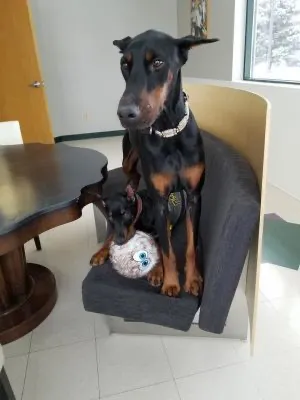
11 Dobermans listed right now
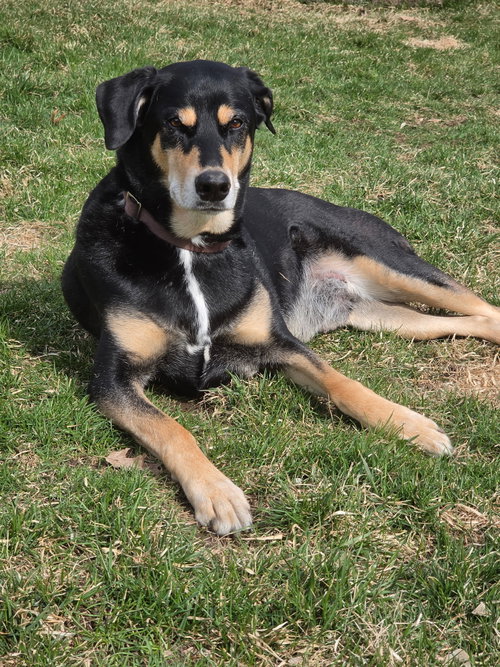
Bug
 Doberman Rescue Minnesota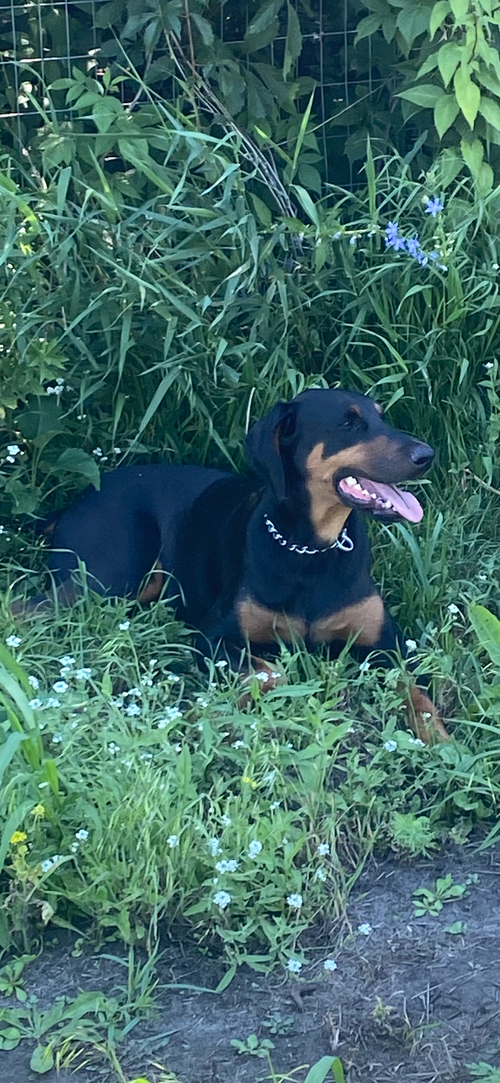
Blue
Doberman Rescue Minnesota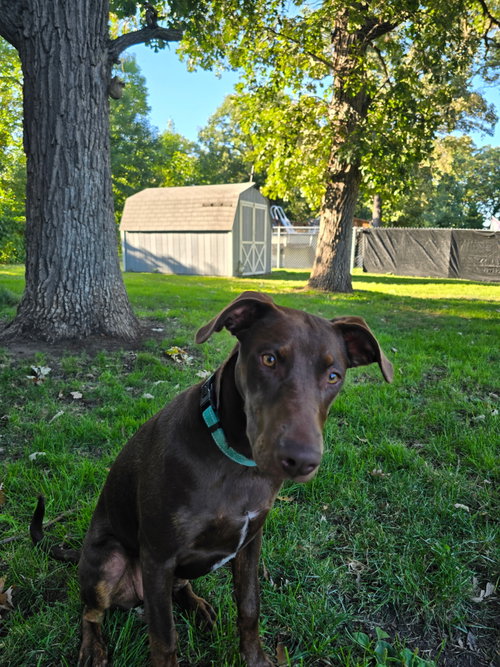
Sally
Doberman Rescue Minnesota
Dash
Doberman Rescue Minnesota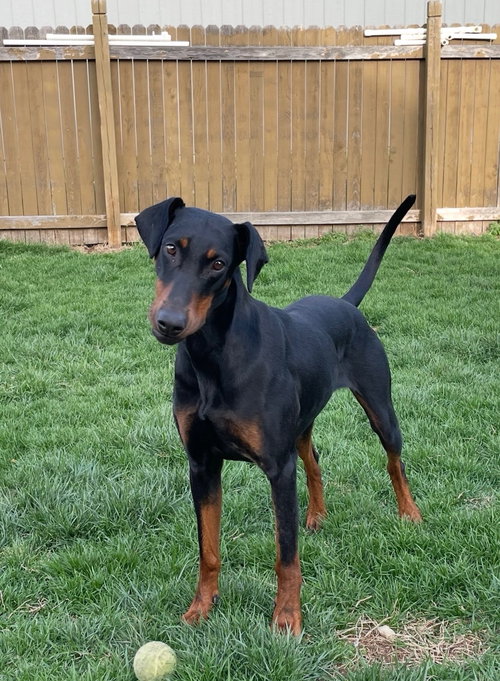
Anna
Doberman Rescue Minnesota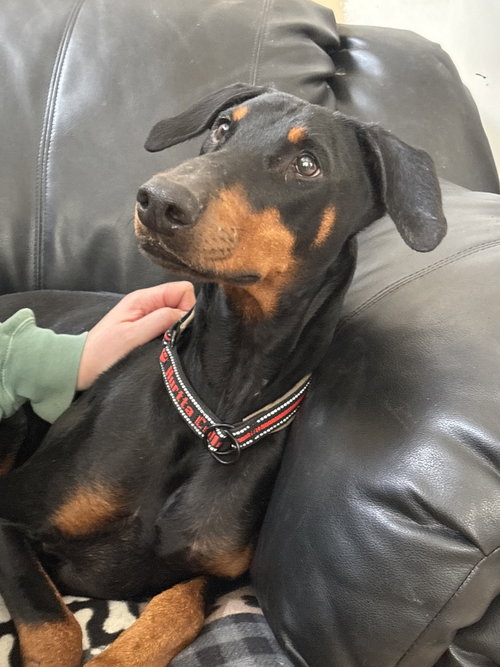
Erika
Doberman Rescue Minnesota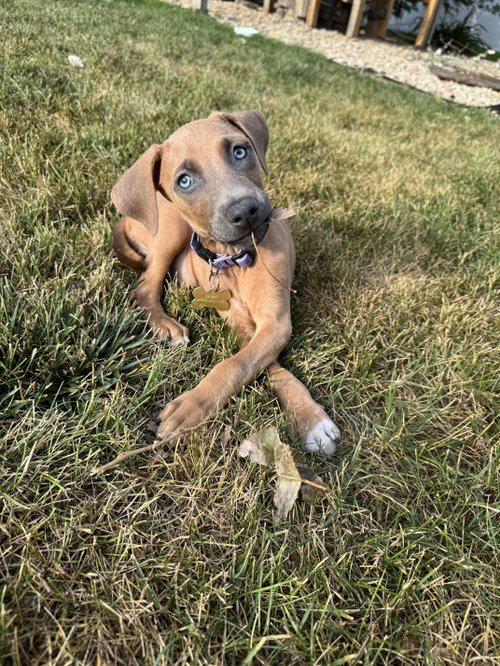
Drekker
Doberman Rescue Minnesota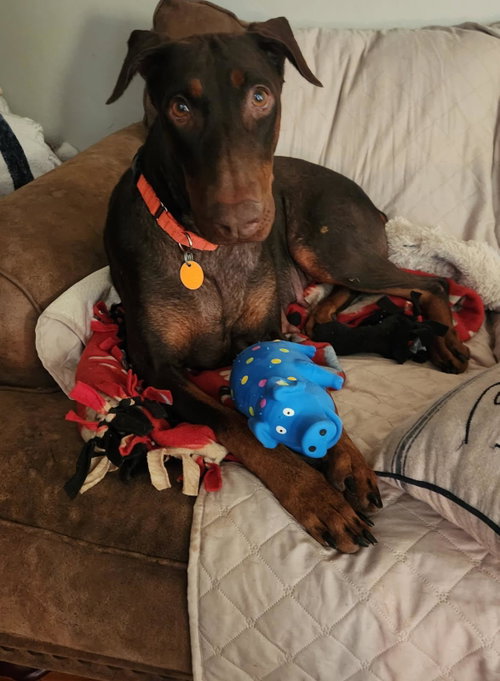
Freya
Doberman Rescue Minnesota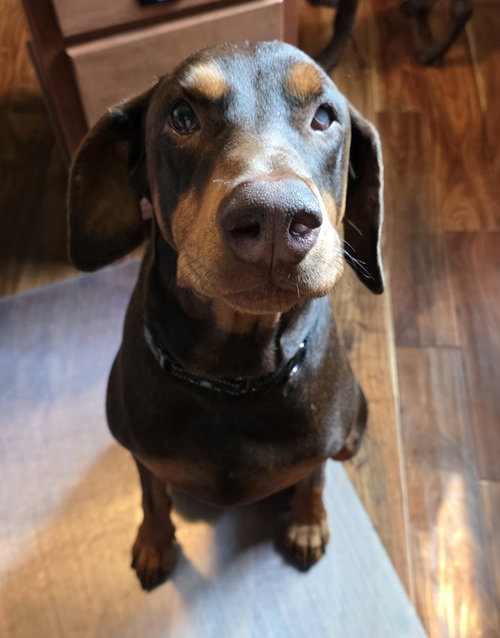
Leo
Doberman Rescue Minnesota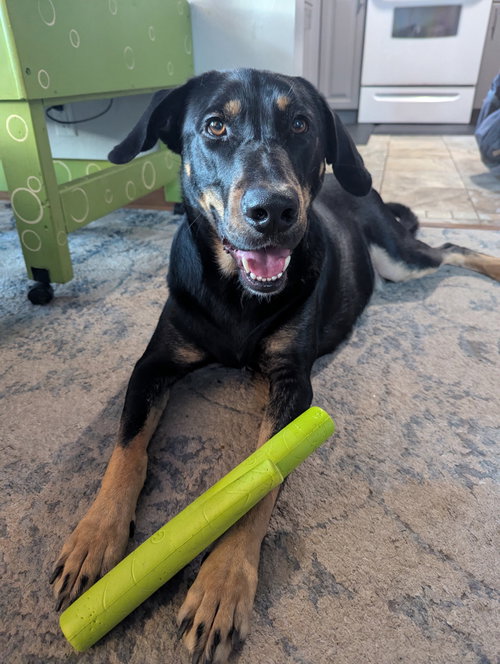
Flanagan
Doberman Rescue Minnesota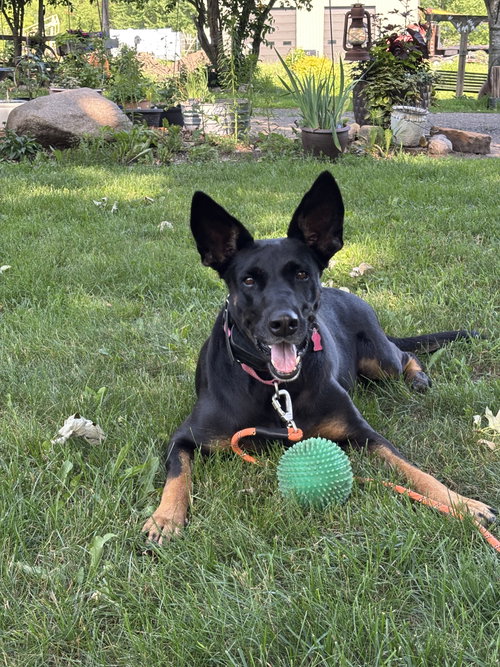
Tia
Doberman Rescue Minnesota
Mixes are in here too — each card shows the breed exactly as the rescue listed it. Every one goes to the rescue holding that animal, where you’ll find how to reach them. Adoptions happen fast, so check before you get attached.
An athlete needs a job, not just a walk
The doberman was built as a working dog and it still is one. Almost every doberman problem a first-time owner runs into is a version of the same thing: a dog with a job description and nothing to do.
Exercise, and the fenced area
The AKC’s guidance calls the doberman an energetic athlete who needs a lot of exercise and free play, and says that having a large fenced area to run in is vital for the dog’s physical and mental wellbeing. Long daily walks and hikes are the baseline, not the ceiling.
It also points at canine sports — obedience, tracking, agility — as a way to work the mind alongside the body. That framing is useful: a tired doberman and a bored doberman are very different animals to live with.
Health
The AKC flags bloat first, as a life-threatening digestive emergency whose signs every owner should know before they need them. The genetic conditions it lists for the breed are hip dysplasia, dilated cardiomyopathy (an enlarged heart), von Willebrand’s disease (a clotting disorder), progressive retinal atrophy, albinism and hypothyroidism.
The national breed club’s recommended screening is a DNA test for von Willebrand Disease I. With a rescue dog, what’s known varies enormously — a surrendered dog may arrive with full veterinary records, a stray with none. Ask what workup has been done rather than assuming either.
Where else to look
The Doberman Pinscher Club of America, founded in 1921, is the AKC parent club for the breed and runs its own rescue program. The AKC also maintains a rescue network of more than 450 breed rescue groups nationally. Breed rescues routinely work across several states, so where an organization is based and where it will place a dog are different questions.
Adoption requirements differ by organization — some breed rescues ask for a home visit, a fenced yard, or previous experience with the breed. We’re an independent directory and we’re not affiliated with any organization listed here, so confirm the details with them.