
Focus
Boxer Rescues in Minnesota
Boxers stay puppyish for years longer than most breeds, and they're one of the few dogs where "keep them inside" is a breed characteristic rather than a preference.
Filters
29 Boxers listed right now, at 9 different rescues

Miss Sammy
 Rejection Collection Boxer Rescue
Raquel
 Underdog Rescue
Harper
 Across America Boxer Rescue
Wally
 Humane Society of Barron County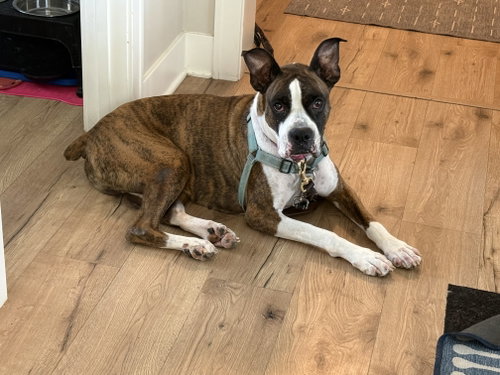
Drax
 Minnesota Boxer Rescue
Greta
 Warrior Dog Rescue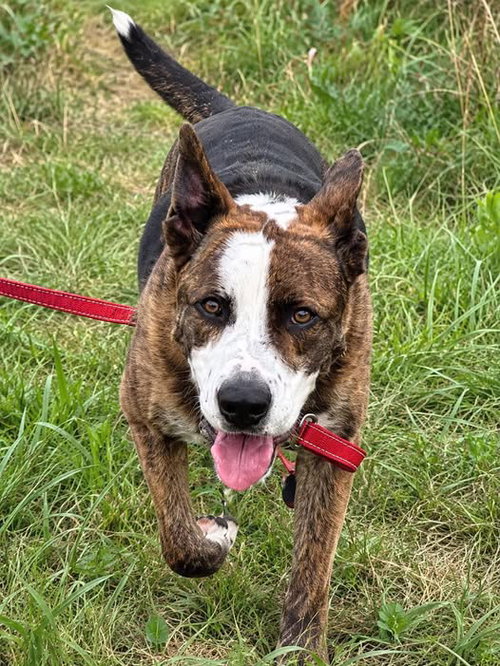
Ares
 Mower County Humane Society
Linden
 Matty’s Heart & Soul Animal Rescue
Brooks
 Protecting Paws Animal Rescue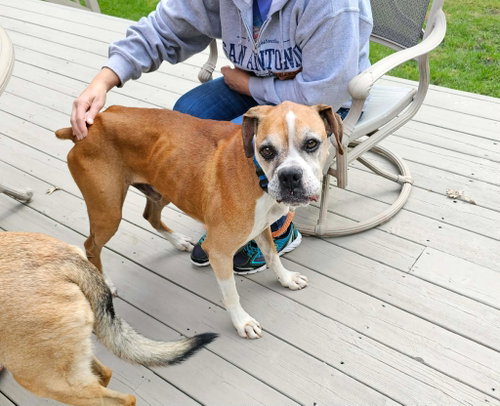
Ridge - HOSPICE care
Rejection Collection Boxer Rescue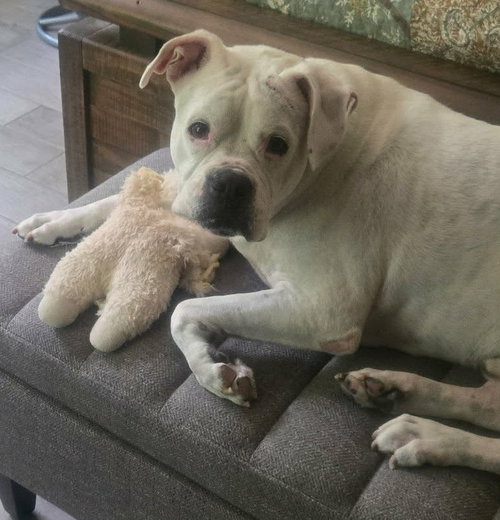
Leo
Across America Boxer Rescue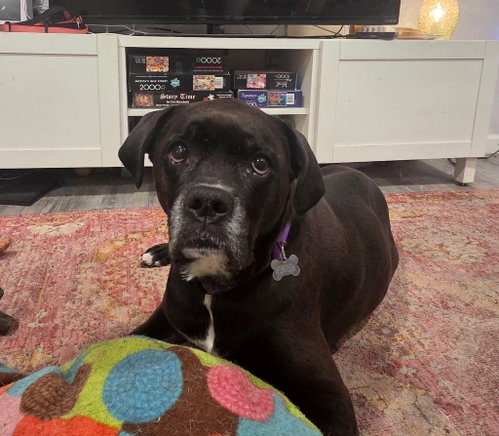
Millie
Minnesota Boxer Rescue
Goofy Goose
Matty’s Heart & Soul Animal Rescue
June
Across America Boxer Rescue
Olive
Minnesota Boxer Rescue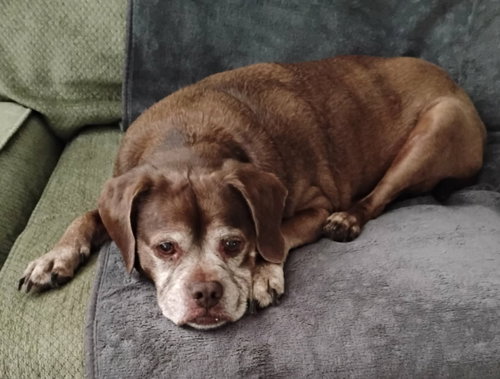
Lady aka Ladybug
Across America Boxer Rescue
Little Big Foot
Minnesota Boxer Rescue
Lily
Across America Boxer Rescue
Penny
Minnesota Boxer Rescue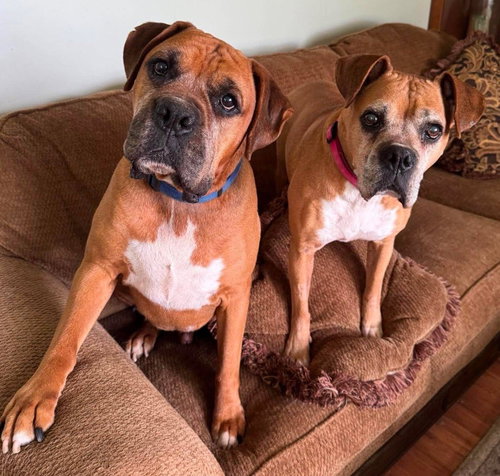
Sandy
Across America Boxer Rescue
Butchie
Minnesota Boxer Rescue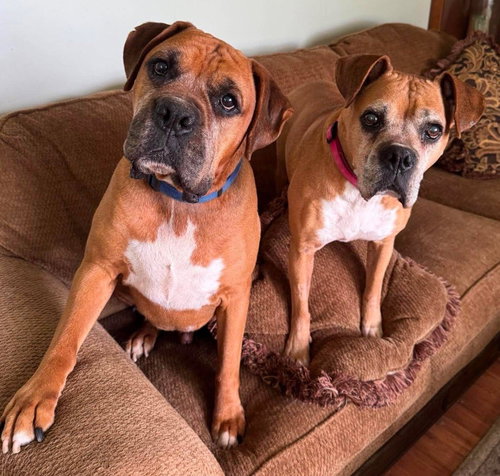
Danny
Across America Boxer Rescue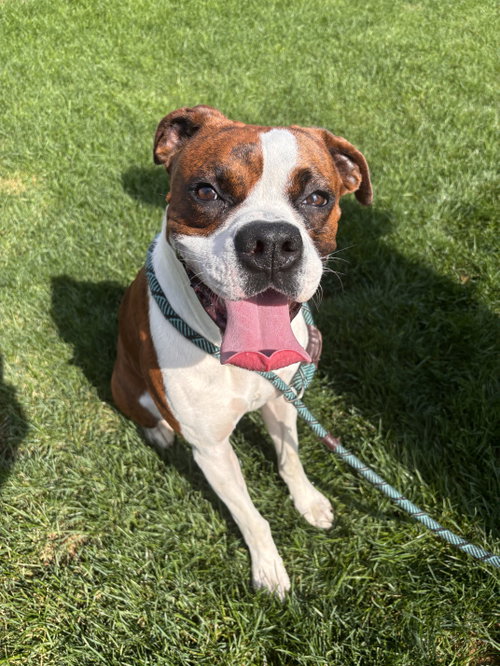
Rory
Minnesota Boxer Rescue
Lovebug aka Junebug
Across America Boxer Rescue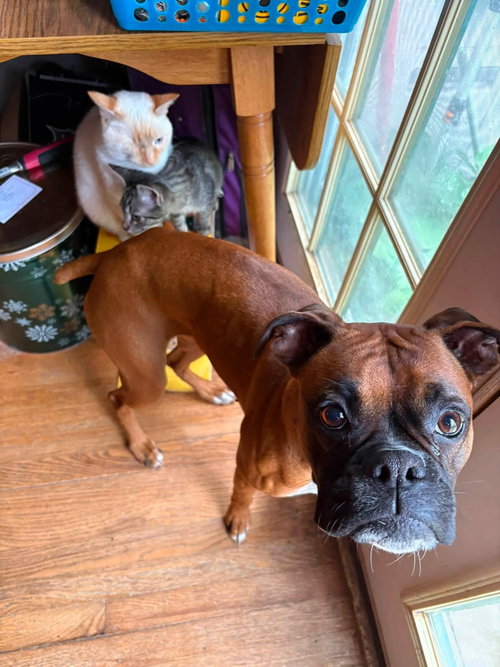
Delilah
Minnesota Boxer Rescue
Gemma
Across America Boxer Rescue
Johnny
Across America Boxer Rescue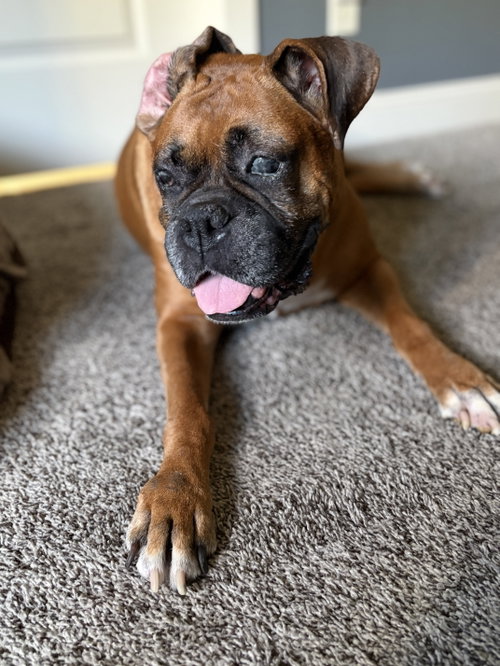
Thumper
Across America Boxer Rescue
Alfa
Across America Boxer Rescue
Mixes are in here too — each card shows the breed exactly as the rescue listed it. Every one goes to the rescue holding that animal, where you’ll find how to reach them. Adoptions happen fast, so check before you get attached.
Cold weather is a breed issue, not a preference
Boxers are one of those breeds people fall for on temperament and then have to think about on logistics. The temperament part is real. So is the bit where the AKC says they should live indoors.
Weather
The AKC’s guidance is direct: the boxer doesn’t have a high tolerance for either extreme heat or extreme cold, and should always be kept inside the house. In a state that manages both extremes in the same calendar year, that’s worth reading twice. It doesn’t mean a boxer can’t live here — it means winter walks are shorter, a coat is normal equipment, and the dog sleeps inside.
The heart, and why boxer people talk about it so much
The AKC lists aortic stenosis and cardiomyopathy among the conditions responsible breeders screen for, and the single recommended test from the national breed club is a DNA test for arrhythmogenic right ventricular cardiomyopathy — ARVC, sometimes just called boxer cardiomyopathy. It’s the condition the breed is best known for, and asking a rescue what cardiac history they have on a dog is a reasonable question rather than an awkward one.
The rest of the AKC’s screening list: hip dysplasia, thyroid deficiency, degenerative myelopathy, and certain cancers.
A rescue dog’s medical history is often partial — a dog that arrived as a stray simply doesn’t have one. That’s not a red flag about the organization; it’s the nature of the work. Ask what’s been done, not what’s known.
Where else to look
The American Boxer Club is the breed’s national parent club and keeps its own list of boxer rescues, and the AKC runs a rescue network of more than 450 breed rescue groups nationally. Breed rescues frequently cover several states at once, so the geography of a listing and the geography of where a dog can go aren’t the same thing.
Every organization sets its own application process, home-check policy and fees. We’re an independent directory and we’re not affiliated with any organization listed here, so confirm the details with them directly.