
Focus
Corgi Rescues in Minnesota
"Corgi" is two breeds, not one, and the quickest way to tell them apart is the back end: Cardigans have tails, Pembrokes don't.
Filters
1 rescue
No rescues match those filters.
2 Corgis listed right now
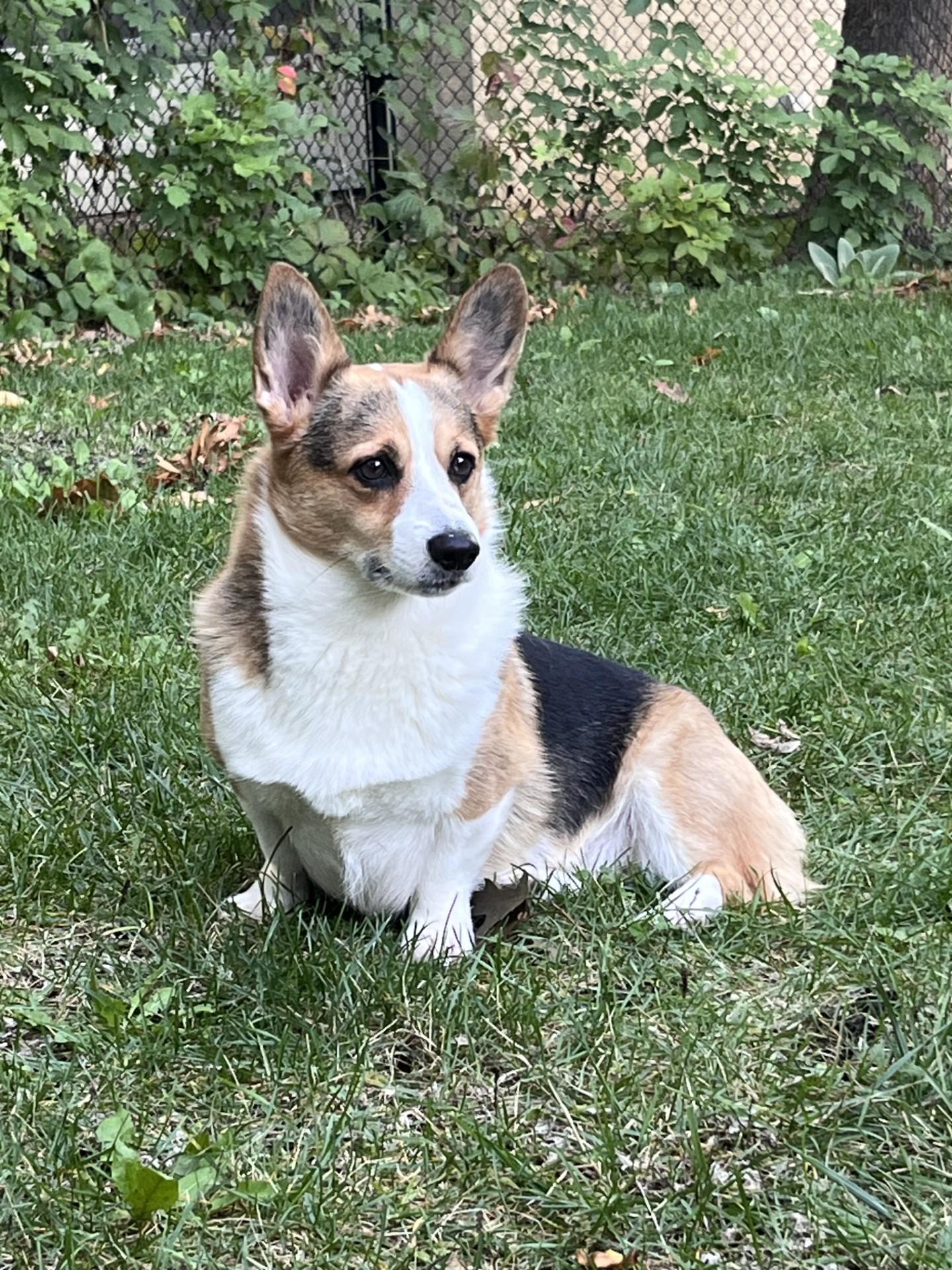
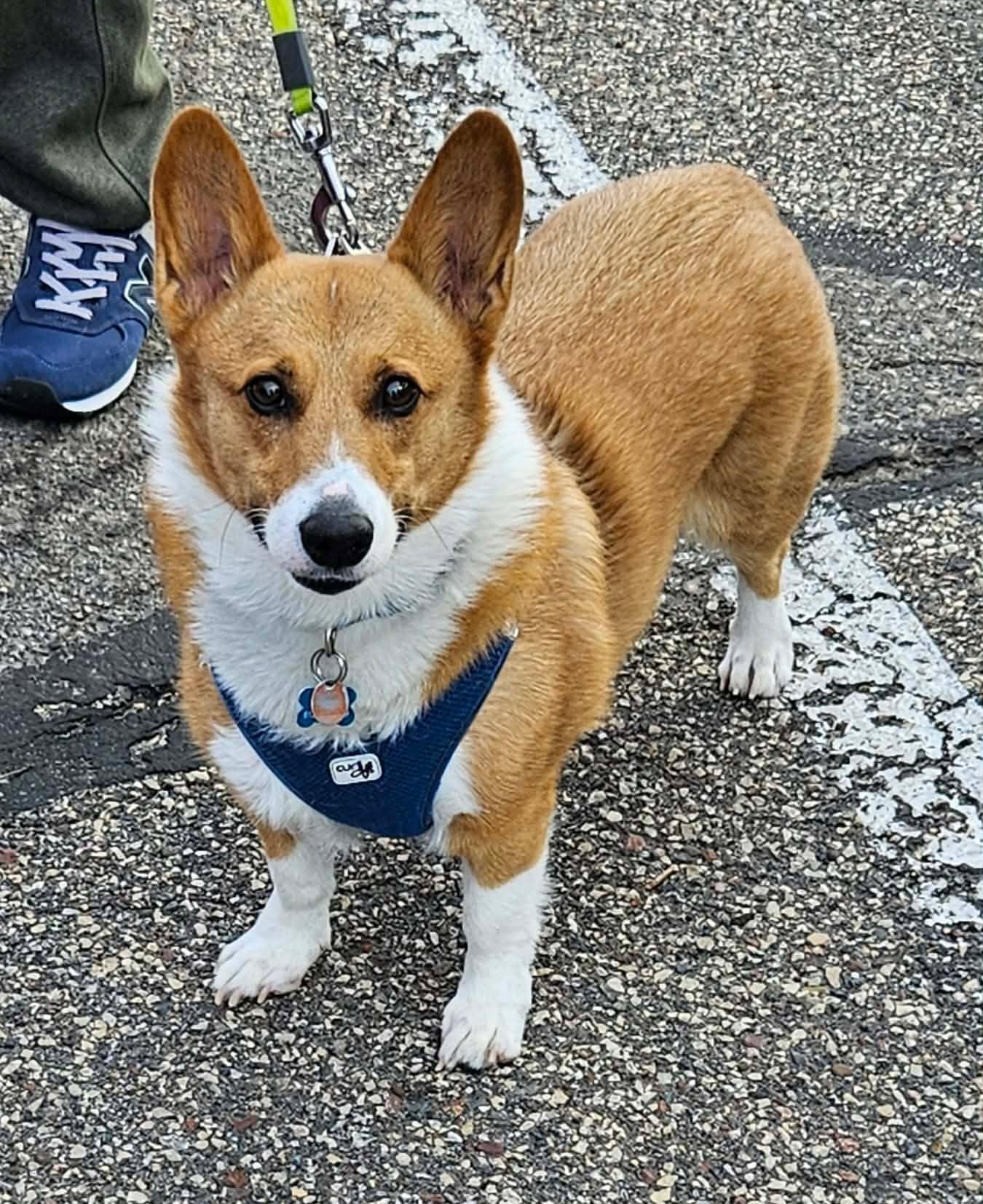
Mixes are in here too — each card shows the breed exactly as the rescue listed it. Every one goes to the rescue holding that animal, where you’ll find how to reach them. Adoptions happen fast, so check before you get attached.
What both corgis need from you
There is no single corgi. The Pembroke and the Cardigan are two distinct breeds that developed separately centuries ago in geographically distinct areas of Wales, and a rescue listing may well say only “Corgi” or “Corgi mix”. The AKC’s shortcut still works: Cardigans have tails, Pembrokes don’t.
The back is the thing
Both are long, low, cattle-herding dogs, and the AKC’s Cardigan page is explicit that with any long and low dog you have to be conscious of potential back issues. Don’t let them jump down off the bed or the couch. Treat stairs as a hazard. It’s a small change to a house and a large one to a spine.
Herding dogs in a short package
The Pembroke is described as a strong, athletic little herder, fearless and independent, happiest when it has a job — and a vigilant watchdog with a “big dog” bark, which is worth knowing if you share a wall with someone. Long walks and slow jogs suit them; a bicycle does not, because the legs simply won’t keep up. The AKC also advises avoiding extremes of heat and cold, which in this state means both ends of the year.
Cardigans get described as the more adaptable of the two: happy to hike, equally happy to watch television. Both breeds respond to positive, reward-based training, and both have a mind of their own about it.
Health worth asking about
For Pembrokes, the AKC lists elbow and hip dysplasia, eye disorders, cardiac issues, degenerative myelopathy and von Willebrand’s disease, a bleeding disorder. The breed club recommends a hip evaluation and an ophthalmologist evaluation.
For Cardigans, it lists hip dysplasia, progressive retinal atrophy and degenerative myelopathy, with three recommended checks: a hip evaluation and DNA tests for DM and PRA-rcd3.
A dog arriving through rescue often comes without paperwork. The question that gets you somewhere is what the rescue’s own vet has already found.
Coats and clipping
Pembrokes carry a thick, weatherproof double coat that sheds daily and heavily in late spring and early summer — the AKC recommends a daily once-over with a comb and slicker brush, and a rake to strip the undercoat during a shed. Cardigans need a good brushing at least once a week. Resist the urge to clip either one short for summer: the AKC notes that a correct Cardigan coat already regulates the dog’s temperature, though a black dog absorbs more heat and shouldn’t be left out in it.
Where else to look
The Pembroke Welsh Corgi Club of America, founded in 1936, and the Cardigan Welsh Corgi Club of America are the AKC parent clubs; the CWCCA runs Cardigan rescue nationally. The AKC’s own rescue network covers more than 450 breed rescue groups.
Corgis also turn up at general shelters that had no plans to have one, which is why the animals on this page are drawn from every rescue in the directory rather than only the ones tagged for the breed. Several will be crosses; each card carries the breed exactly as the rescue wrote it.
Adoption requirements, waiting lists and fees are set by each organization and they differ. We’re an independent directory and we’re not affiliated with any organization listed here, so confirm the details with them directly.